ATTRACTION
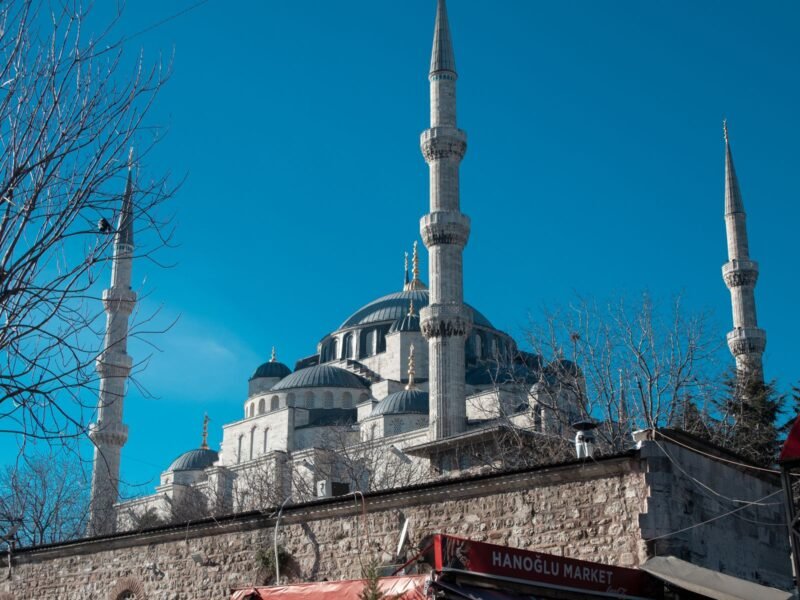
Süleymaniye Mosque
Süleymaniye Mosque is Mimar Sinan's 1557 Ottoman imperial mosque on a hilltop above the Golden Horn…
Read more →
Destinations / Istanbul
Istanbul is Turkey's largest city and cultural capital, spanning two continents on the Bosphorus strait, known for the Hagia Sophia, the Blue Mosque, and its layered Byzantine and Ottoman history.
 Marmara
 | Tier | From |
|---|---|
| Budget | $28+ / night |
| Mid-Range | $95+ / night |
| Comfort | $320+ / night |
 Ancient Ruin
  Monument
 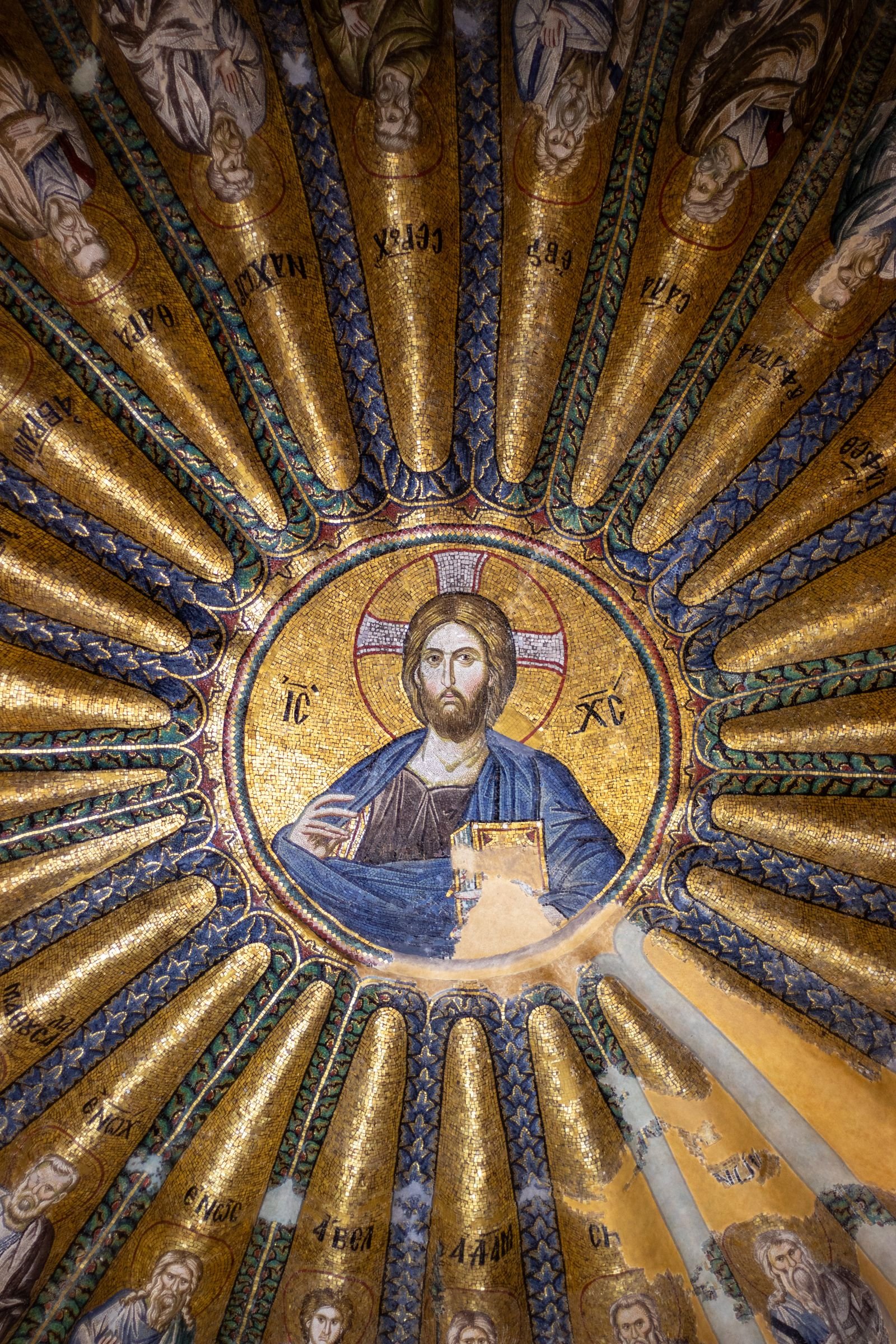 Monument
 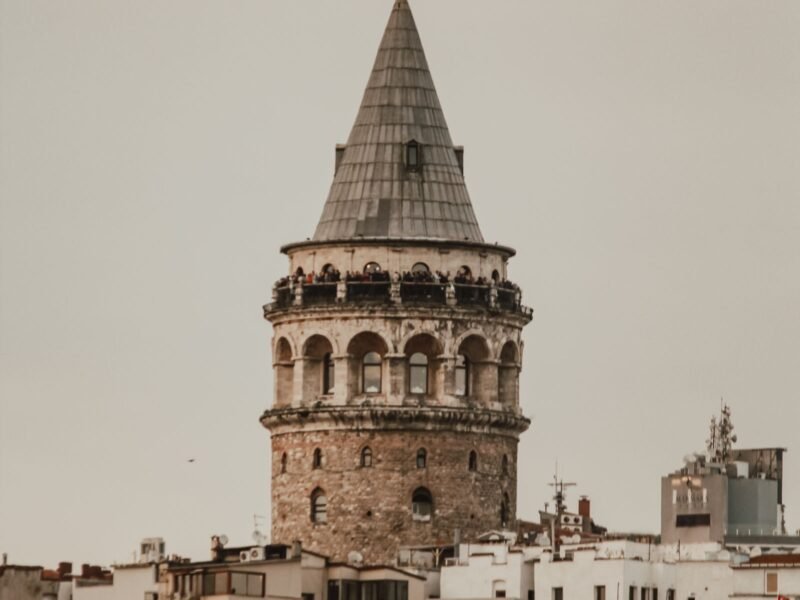 Viewpoint
 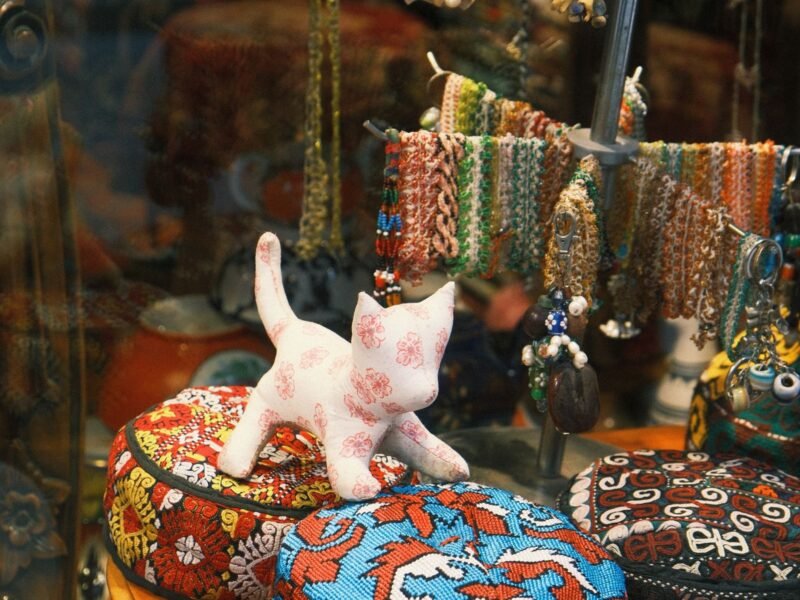 Historic District
 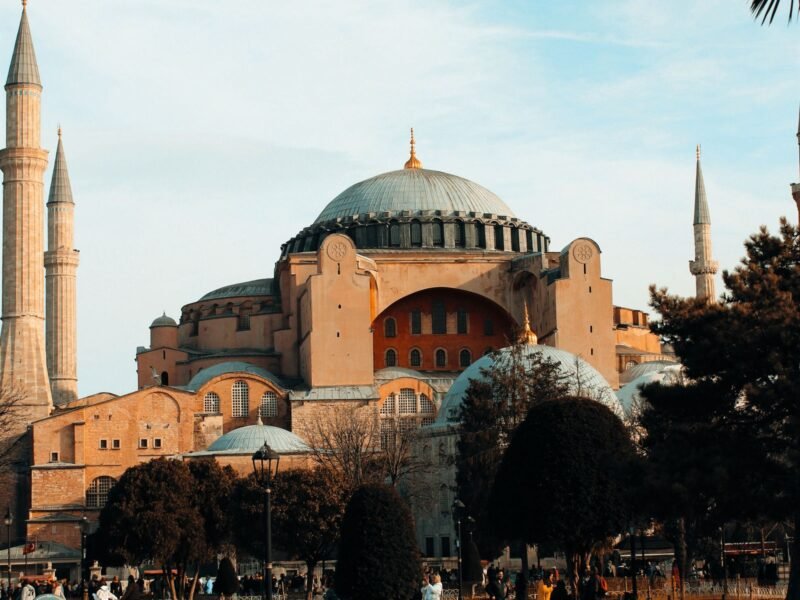 Monument
  Cruise
  Craft
Craft Istanbul is the only city in the world built across two continents, split by the Bosphorus strait with Europe on one side and Asia on the other — this Istanbul travel guide starts there and works outward. Nearly 16 million people live here, and the historic core alone — the Sultanahmet peninsula — carries 2,700 years of Roman, Byzantine and Ottoman layers within a single square mile.
Istanbul reads as a cluster of distinct neighborhoods rather than one continuous city, and knowing which is which saves a lot of wasted walking.
Sultanahmet, on the European side, is the old imperial core — Hagia Sophia, the Blue Mosque, Topkapi Palace and the Basilica Cistern all sit within a 10-minute walk of each other. It’s dense with hotels and tourist infrastructure, and it’s where most first-time visitors base themselves.
Beyoğlu, north across the Golden Horn, is the 19th-century European quarter: İstiklal Avenue, Galata Tower, and the nightlife and restaurant density that Sultanahmet doesn’t have. Karaköy, at its base by the water, has become the city’s design and specialty-coffee district over the past decade.
Kadıköy, on the Asian side, is where a lot of residents actually live and eat — a short ferry ride from Eminönü, with a produce market and a bar scene aimed at locals rather than tour groups. Balat, a former Jewish and Greek Orthodox quarter on the Golden Horn’s western shore, has colorful row houses and has become a photography and café destination in its own right.
Stay in Sultanahmet for walkable access to the major sights, or in Karaköy/Galata if you’d rather be closer to restaurants and nightlife and take the tram or a short ferry into the old city each day.
Istanbul has a temperate climate with a clear shoulder-season sweet spot. Late spring and early autumn combine mild temperatures with thinner crowds than midsummer.
| Season | Months | Weather | What to expect |
|---|---|---|---|
| Spring | Apr–May | 12–20°C (54–68°F) | Best combination of mild weather and manageable crowds; tulips bloom across the city’s parks in April |
| Summer | Jun–Aug | 22–29°C (72–84°F) | Peak season — long queues at Hagia Sophia and Topkapi Palace, higher hotel prices |
| Autumn | Sep–Oct | 15–23°C (59–73°F) | Warm sea, thinner crowds than summer, generally the most recommended window |
| Winter | Nov–Mar | 4–10°C (39–50°F) | Occasional rain and grey skies; lowest hotel prices and shortest queues |
An eSIM activated before landing avoids the airport SIM counters and lets you have data working the moment you land at Istanbul Airport (IST) or Sabiha Gökçen (SAW). It’s worth setting up before your trip through a provider like Airalo (#affiliate-airalo) rather than buying a physical SIM at the airport kiosk, which typically costs more for a comparable data allowance.
Istanbul has two airports. Istanbul Airport (IST), on the European side, handles most international long-haul traffic and is roughly 40–50 minutes from Sultanahmet by taxi or the M11/M2 metro connection, traffic dependent. Sabiha Gökçen (SAW), on the Asian side, is used heavily by European budget carriers and is about an hour from the historic peninsula. Havaist shuttle buses run from both airports to central stops including Taksim and Sultanahmet.
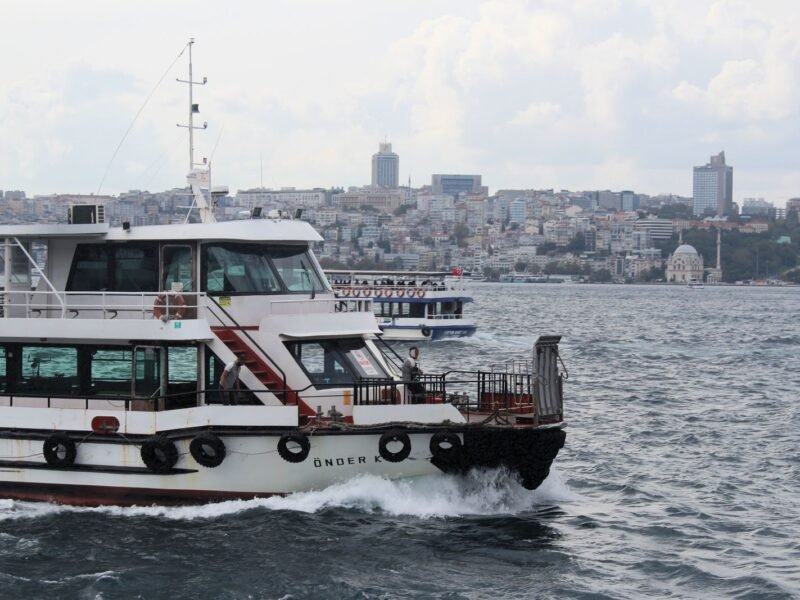
Buy an Istanbulkart at any metro station or kiosk on arrival — it works across trams, the metro, funiculars, buses and ferries, and each ride costs a fraction of a single paper ticket. The T1 tram is the single most useful line for tourists, running directly through Sultanahmet and across the Galata Bridge toward Karaköy and Kabataş. Ferries across the Bosphorus and to Kadıköy are cheap, fast, and arguably the best sightseeing you’ll do all trip. Taxis are metered and plentiful, but confirm the driver has started the meter — a well-known and avoidable friction point covered below.
Founded as the Greek colony of Byzantium around the 7th century BC, the city became Constantinople in 330 AD when Roman Emperor Constantine I made it the capital of the Eastern Roman (Byzantine) Empire. It remained the Byzantine capital for over a thousand years until the Ottoman conquest of 1453 under Sultan Mehmed II, after which it served as the Ottoman capital until the empire’s end in 1922. The city was officially renamed Istanbul in 1930, four years after the founding of the Turkish Republic, whose capital had by then moved to Ankara.
Istanbul is largely secular in daily life and alcohol is widely available in restaurants and bars, but mosques require modest dress — covered shoulders and knees for everyone, and a headscarf for women — plus shoe removal at the door. Friday midday is the busiest prayer period at working mosques including the Blue Mosque; tourist entry pauses briefly around each of the five daily prayer times.
The Grand Bazaar and Spice Bazaar are the classic starting points for carpets, ceramics, leather, gold and Turkish delight — haggling is expected and normal, and a starting counter-offer of roughly half the quoted price is a reasonable opener. For a more contemporary shopping scene without the bazaar crowds, İstiklal Avenue and the Nişantaşı district cover both high-street and designer retail.
Start with Hagia Sophia in Sultanahmet, then explore the Istanbul street food scene around Eminönü.
Dish deep-dives and food culture pieces, some city-specific and some national topics with Istanbul relevance.

Most first-time visitors need 4–5 days to comfortably cover the Sultanahmet historic core, a Bosphorus crossing, and at least one neighborhood beyond the tourist center like Kadıköy or Balat. Three days is workable if you focus only on the major Sultanahmet sights and skip everything else.
Istanbul’s tourist areas are generally safe for visitors, with petty scams like inflated taxi fares and shoe-shine tricks being far more common than violent crime. Standard city precautions — watching your belongings in crowds, using licensed taxis or ride-hailing apps, and avoiding unlicensed money changers — cover most of the real risk.
Visa requirements depend on nationality: UK, German, Dutch and other EU citizens can enter Turkey visa-free for tourist stays up to 90 days, while US, Canadian and Australian citizens need to apply for an e-Visa online in advance through the official government portal, evisa.gov.tr.
Sultanahmet is the best base for walking to the major historic sights, while Karaköy or Beyoğlu suit travelers who want to be closer to restaurants, nightlife and the design district, a short tram or ferry ride from the old city.
Süleymaniye Mosque is Mimar Sinan's 1557 Ottoman imperial mosque on a hilltop above the Golden Horn…
Read more → Chora Church (Kariye Mosque) in Edirnekapı holds some of the finest surviving Byzantine mosaics in the…
Read more →Dolmabahçe Palace is a 19th-century Ottoman palace on the Bosphorus in Beşiktaş, the last residence of…
Read more →
Comments