ATTRACTION
Süleymaniye Mosque
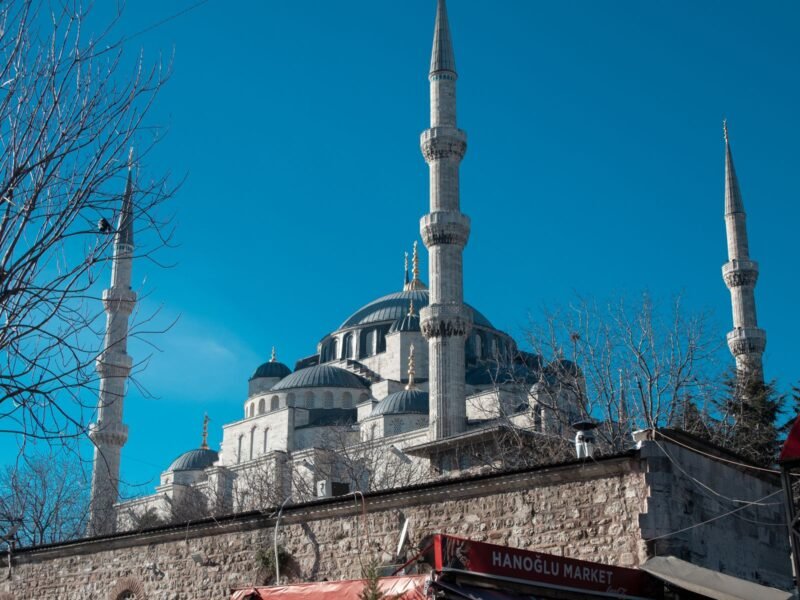
Süleymaniye Mosque is Mimar Sinan's 1557 Ottoman imperial mosque on a hilltop above the Golden Horn…
Read more →
Turkey / Istanbul / Dolmabahçe Palace
Dolmabahce Palace Istanbul — Dolmabahçe Palace is a 19th-century Ottoman palace on the European shore of the Bosphorus in Istanbul’s Beşiktaş district, built between 1843 and 1856 as the empire’s move toward European-style architecture and served as the residence of the last six Ottoman sultans. It’s also where Mustafa Kemal Atatürk, founder of the Turkish Republic, died in 1938, and his room is preserved with the clock stopped at his time of death.
Sultan Abdulmejid I commissioned Dolmabahçe to replace Topkapi Palace as the Ottoman court’s residence, signaling a deliberate shift toward European architectural styles as the empire modernized. The name means “filled garden,” referring to the reclaimed harbor land it was built on. Interiors run to white marble, Egyptian alabaster and gold leaf across a 600-meter perimeter, and the ceremonial hall’s crystal staircase and 2.5-ton Baccarat chandelier — a gift from Queen Victoria — are the most-photographed interior features. The Harem section, historically reserved for the sultan’s family, includes the room where Atatürk died on November 10, 1938, preserved with a Turkish flag and a clock permanently set to 9:05, his time of death — the palace’s most solemn stop for many Turkish visitors specifically.
Source: Republic of Türkiye Ministry of Culture and Tourism.
Combined entry for foreign visitors runs approximately $58, covering the Selamlık, Harem and Painting Museum. It’s open 09:00–17:00 daily except Mondays, with the ticket office closing an hour before final closing.
Take the T1 tram to Kabataş, the end of the line, from which it’s about a 4-minute walk. From Sultanahmet, that’s roughly 7 tram stops, around 20 minutes total including the walk.
Dolmabahçe replaced Topkapi Palace as the seat of the Ottoman court in 1856 and housed the last six sultans of the empire. After the founding of the Turkish Republic in 1923, Atatürk used the palace as a presidential residence during his visits to Istanbul, and died there in 1938. It was subsequently converted into a museum and remains one of the most-visited sites tied to both Ottoman and early Republican history.
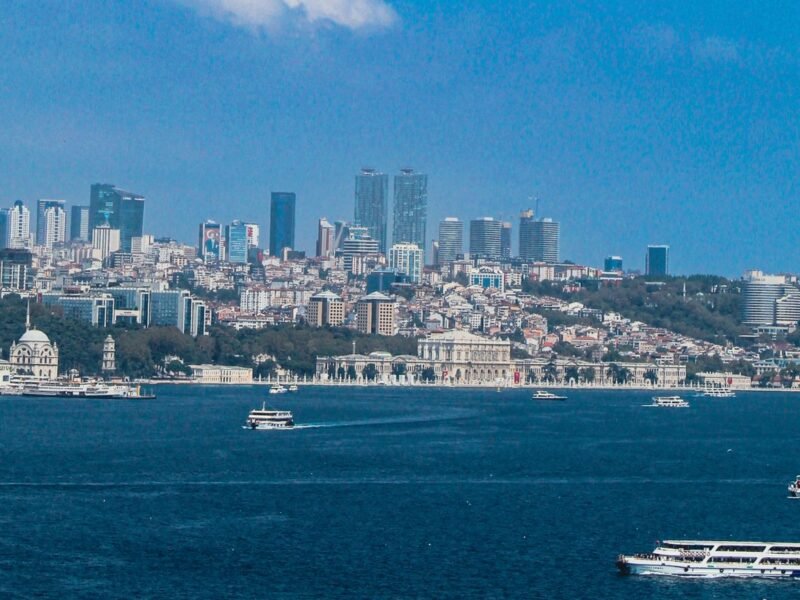
Dolmabahçe Palace is closed on Mondays; plan your Istanbul itinerary around this if the palace is a priority.
Partially — it covers the Harem and Painting Museum sections but not the main Selamlık (ceremonial) section, which requires its own ticket regardless.
Prices and availability are handled by the ticket provider — we just point you there.
Süleymaniye Mosque is Mimar Sinan's 1557 Ottoman imperial mosque on a hilltop above the Golden Horn…
Read more →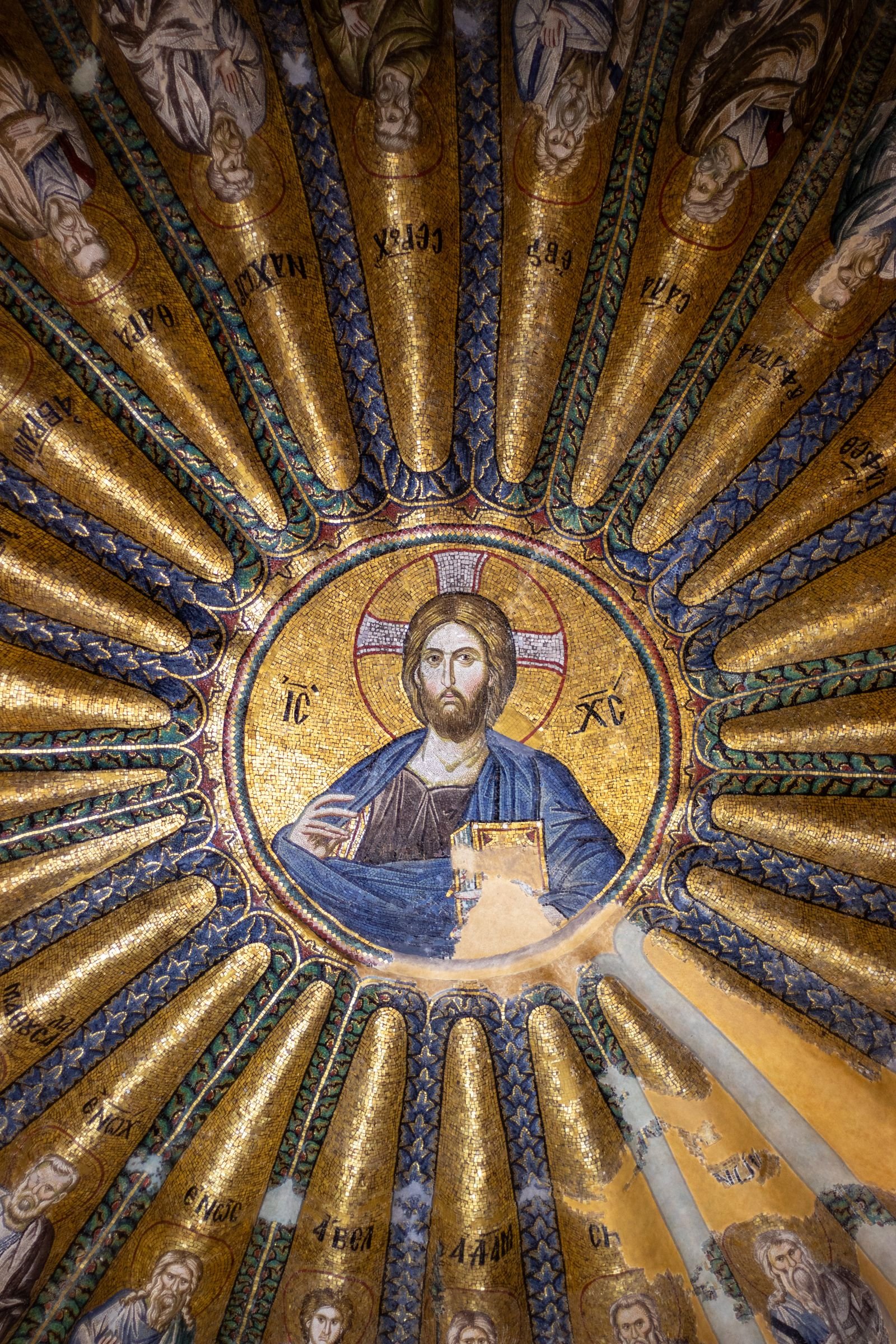
Chora Church (Kariye Mosque) in Edirnekapı holds some of the finest surviving Byzantine mosaics in the…
Read more →The Spice Bazaar (Mısır Çarşısı) is a 1664 covered market at Eminönü, Istanbul, with around 85…
Read more →
Comments