ATTRACTION
Süleymaniye Mosque
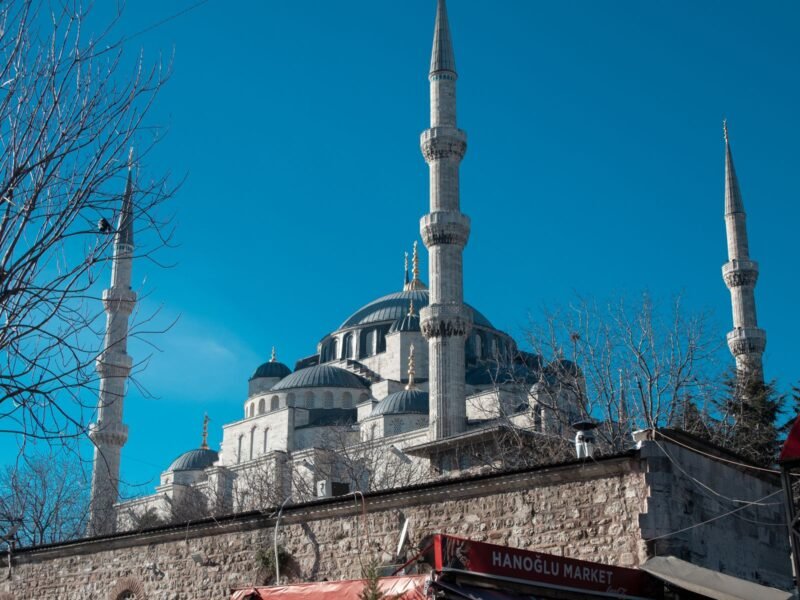
Süleymaniye Mosque is Mimar Sinan's 1557 Ottoman imperial mosque on a hilltop above the Golden Horn…
Read more →
Destinations / Ephesus
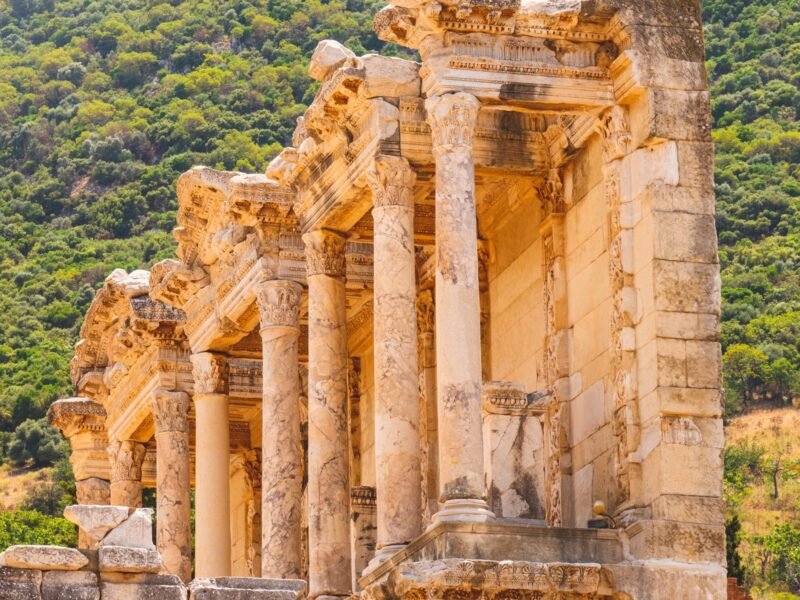
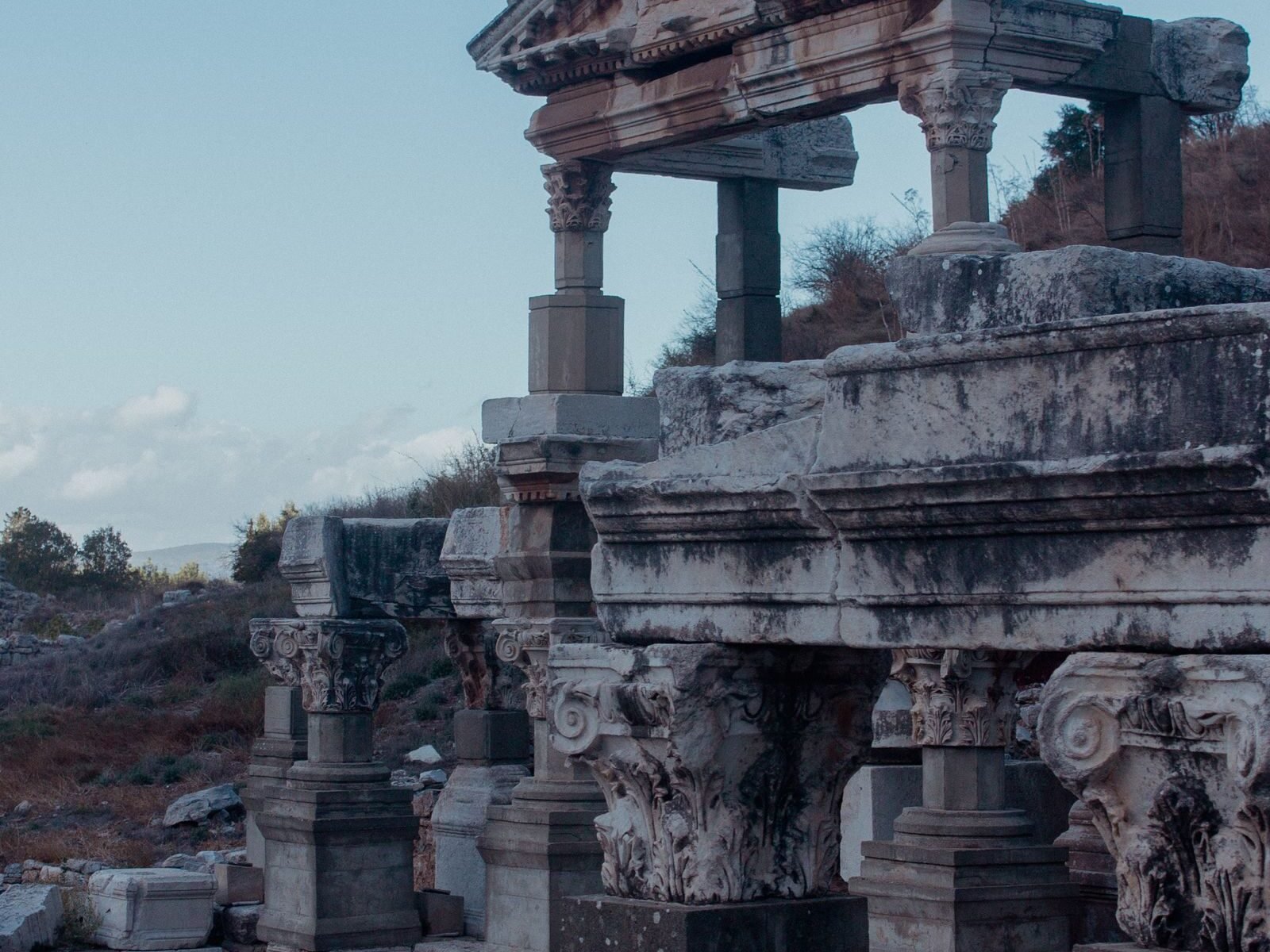
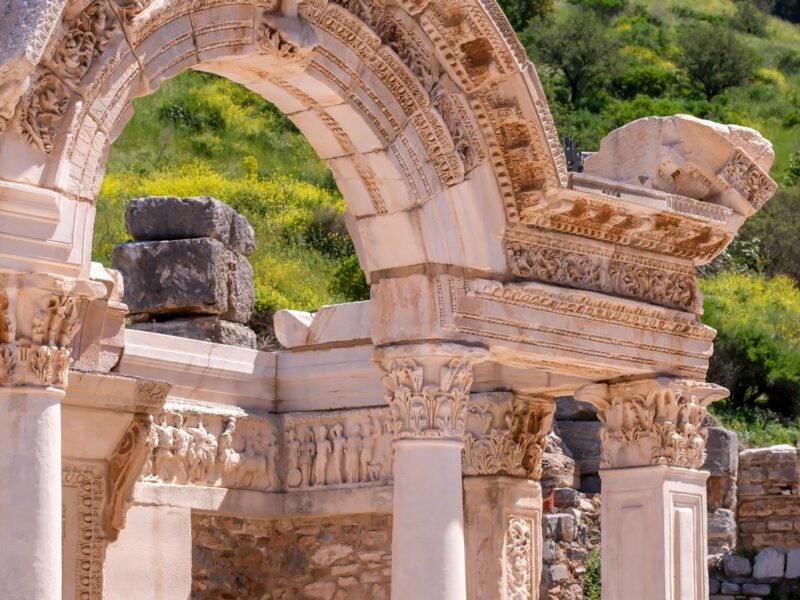
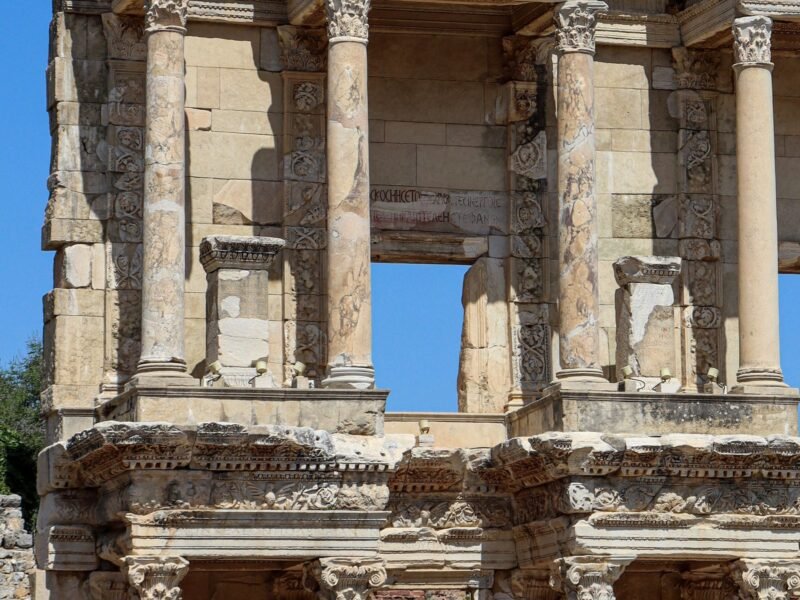
Ephesus is a UNESCO World Heritage ancient city near Selçuk in İzmir Province, one of the best-preserved Roman cities in the Mediterranean, known for the Library of Celsus and the Great Theatre.
 Aegean (İzmir Province)
 | Tier | From |
|---|---|
| Budget | $30+ / night |
| Mid-Range | $75+ / night |
| Comfort | $155+ / night |
 Historic District
 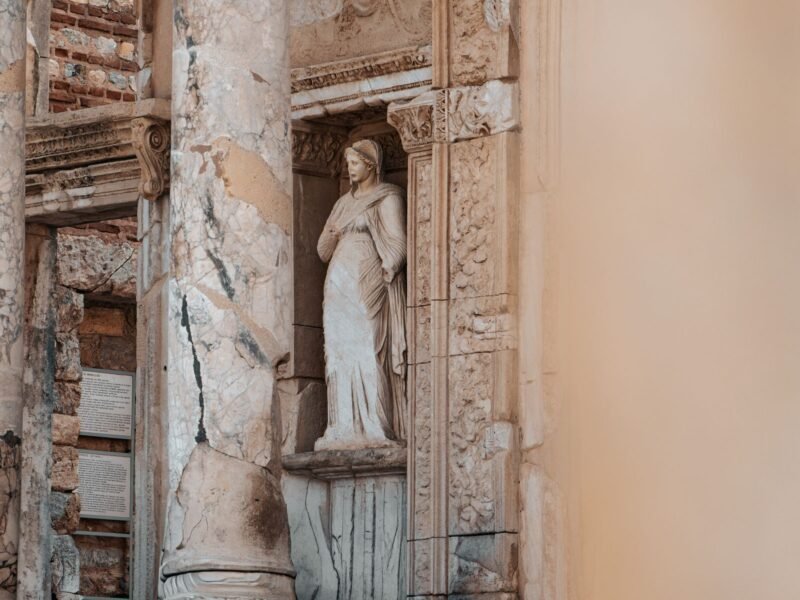 Museum
 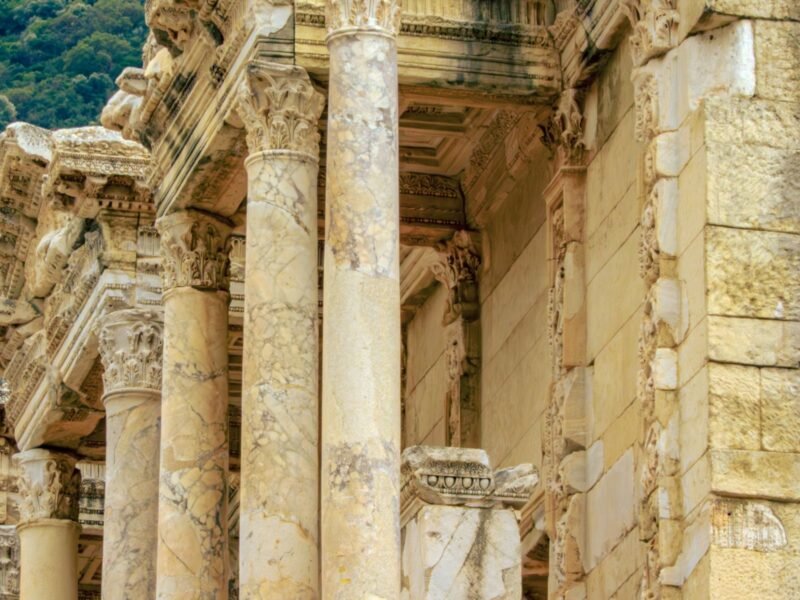 Ancient Ruin
 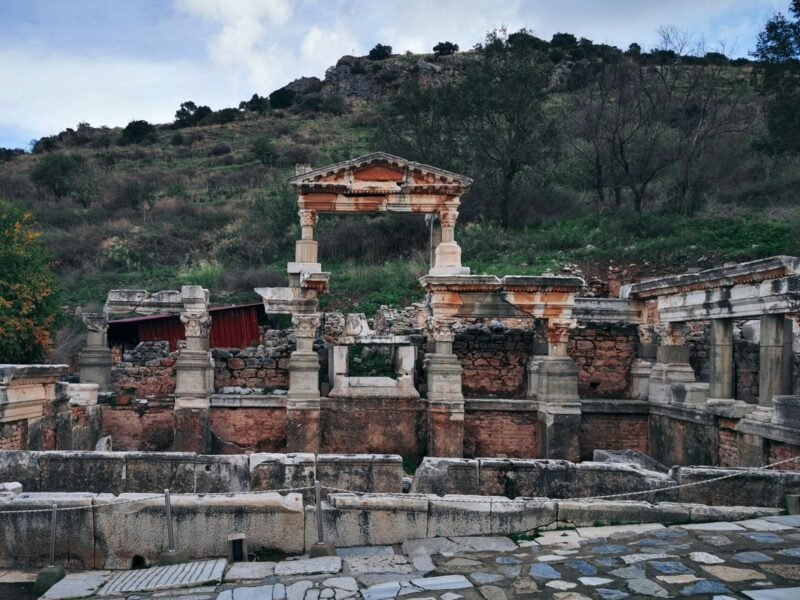 Historic District
 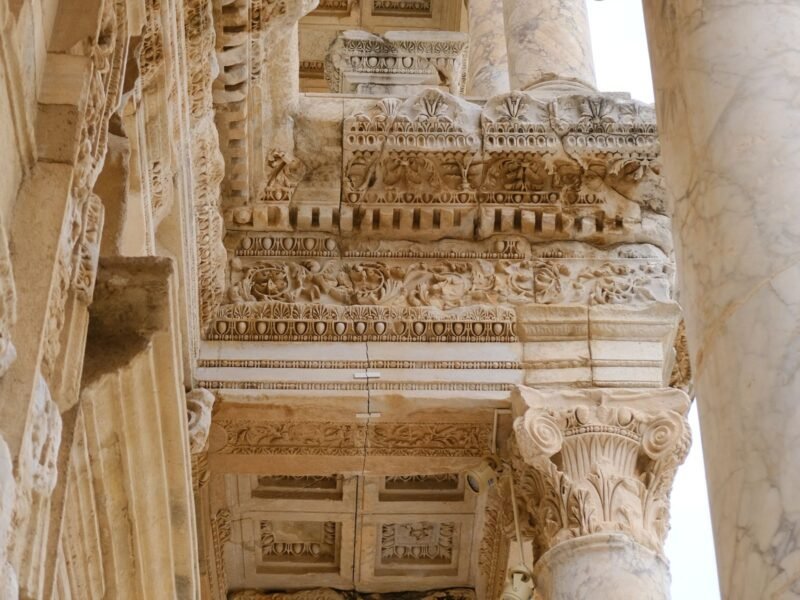 Ancient Ruin
  Ancient Ruin
 Ephesus Travel Guide — Ephesus is a UNESCO World Heritage ancient city near the town of Selçuk in Turkey’s İzmir Province, one of the best-preserved Roman cities in the Mediterranean, known for the Library of Celsus, the Great Theatre, and its role in early Christian history. Most visitors base themselves in Selçuk or nearby Kuşadası, a common cruise-ship stop.
Selçuk is the small town immediately adjacent to the ruins, walkable to the Ephesus Archaeological Museum, Basilica of St. John and Isa Bey Mosque, and the practical base for visitors wanting to be close to the site itself. Kuşadası, a larger coastal town about 20km away, is a major cruise port and resort base, from which Ephesus is a common half-day or full-day excursion. Şirince, a hillside village around 8km from Selçuk, is known for its Greek-era stone houses and local fruit wine production, and works well as an afternoon add-on after the ruins. The ancient site itself has two entrances — commonly called the Upper Gate and Lower Gate — and most visitors walk downhill from Upper to Lower.
Selçuk suits travelers who want to be walking distance from the ruins and the museum. Kuşadası suits those combining Ephesus with beach time or arriving by cruise ship.
[/dt_tip>
Ephesus has a hot, dry Aegean summer and mild winter, with the site’s limited shade making timing genuinely important for comfort.
| Season | Months | Weather | What to expect |
|---|---|---|---|
| Spring | Apr–May | 15–24°C (59–75°F) | Ideal walking temperatures for the 2km of marble streets, one of the best windows |
| Summer | Jun–Aug | 26–34°C (79–93°F) | Very little shade on-site; midday visits are physically demanding, early morning strongly preferred |
| Autumn | Sep–Oct | 19–28°C (66–82°F) | Warm but more manageable than summer, thinner cruise-ship crowds |
| Winter | Nov–Mar | 8–14°C (46–57°F) | Coolest and quietest, shorter site hours |
An eSIM through a provider like Airalo (#affiliate-airalo), set up before arrival, is worth having active before you reach Selçuk or Kuşadası, since coverage can be patchy directly on the ruins site itself.
İzmir Adnan Menderes Airport (ADB), about an hour’s drive from Selçuk, is the main gateway for independent travelers. Cruise passengers typically arrive via Kuşadası port, with Ephesus offered as a standard shore excursion. Intercity buses also connect Selçuk to İzmir, Pamukkale and other Aegean towns.
Selçuk itself is small and walkable to the museum and Basilica of St. John. Reaching the Ephesus site entrance from Selçuk is a short taxi or dolmuş ride; Şirince requires a similar short taxi trip. Renting a car gives flexibility for combining Ephesus, Şirince and the House of the Virgin Mary in one day without relying on tour timing.
Founded around the 10th century BC, Ephesus rose to become the capital of Roman Asia, a major center of trade, culture and religion in the eastern Mediterranean. The city’s harbor gradually silted up over centuries, a slow environmental shift that eventually cut it off from the sea and contributed to its decline — one reason the ruins sit inland today despite the city’s original coastal position. Ephesus also holds deep significance in early Christian history: tradition places both the Apostle John and the Virgin Mary in the region in their later years, and the city is named in the Book of Revelation as one of the seven churches of Asia.
Ephesus draws both historical tourists and religious pilgrims, particularly to the House of the Virgin Mary, which is venerated by both Catholic and Muslim visitors. Selçuk itself retains a modest, small-town character distinct from the resort atmosphere of nearby Kuşadası.
Selçuk’s town center has leather goods, carpets and souvenir shops with standard Turkish haggling norms for non-fixed-price items. Şirince village is known specifically for its local fruit wines, sold directly from small producers and shops throughout the village.
Regional specialties from the Selçuk and Şirince area.

A quick visit covering the main path from Upper to Lower Gate takes 1.5–2 hours, a standard visit including the Terrace Houses runs 2.5–3 hours, and a complete visit with the Ephesus Museum and Şirince fills a full day.
Many well-traveled visitors rate it comparably or even more impressive for its scale and preservation, with the Library of Celsus and Great Theatre standing among the most complete Roman-era structures anywhere.
It’s technically possible but not recommended, since the drive between them runs roughly three hours each way; staying overnight in Selçuk or Pamukkale and giving each site proper time works far better.
Selçuk offers walking-distance proximity to the ruins and museum, while Kuşadası suits travelers combining Ephesus with beach time or arriving by cruise ship.
Süleymaniye Mosque is Mimar Sinan's 1557 Ottoman imperial mosque on a hilltop above the Golden Horn…
Read more →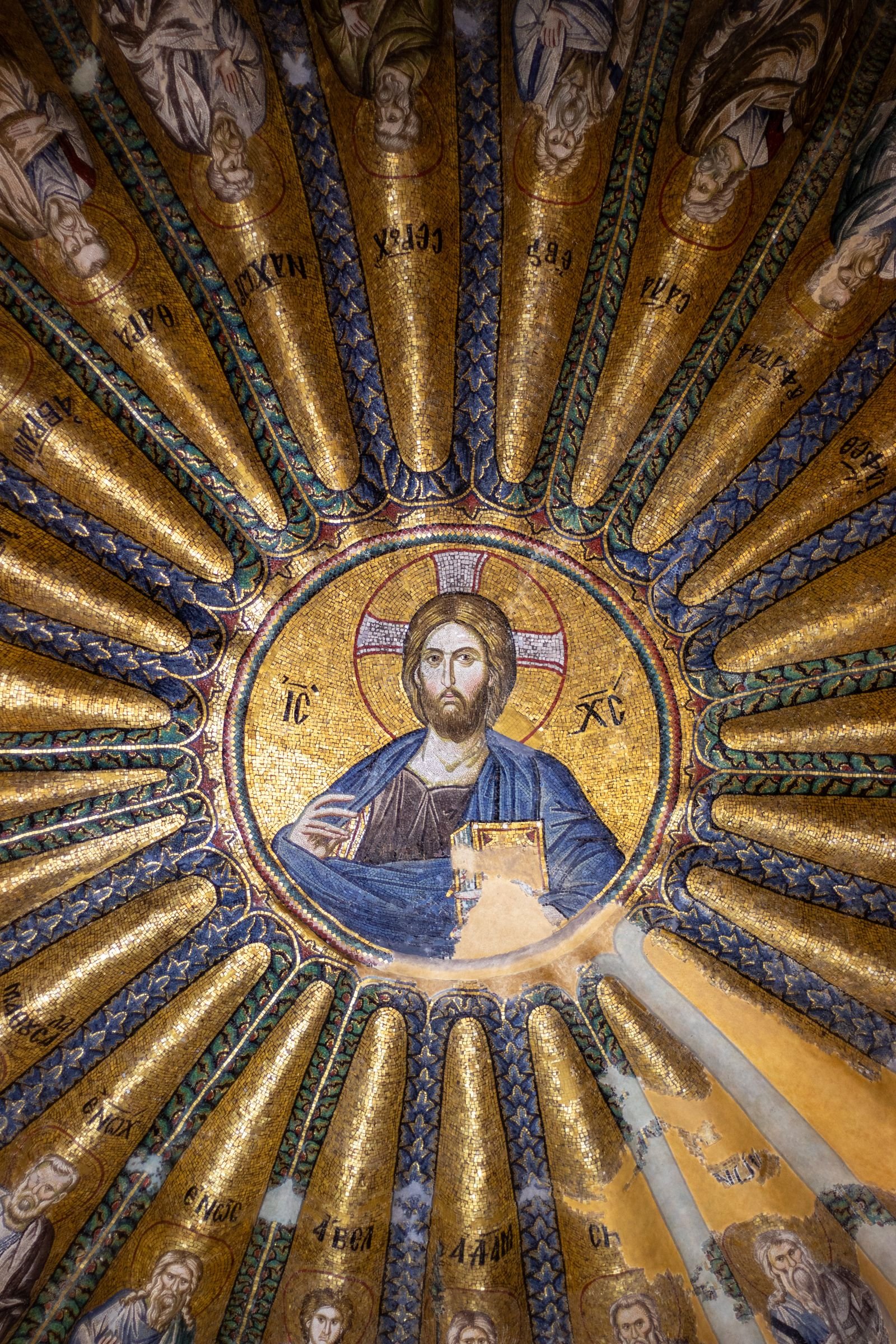
Chora Church (Kariye Mosque) in Edirnekapı holds some of the finest surviving Byzantine mosaics in the…
Read more →Dolmabahçe Palace is a 19th-century Ottoman palace on the Bosphorus in Beşiktaş, the last residence of…
Read more →
Comments