
ATTRACTION
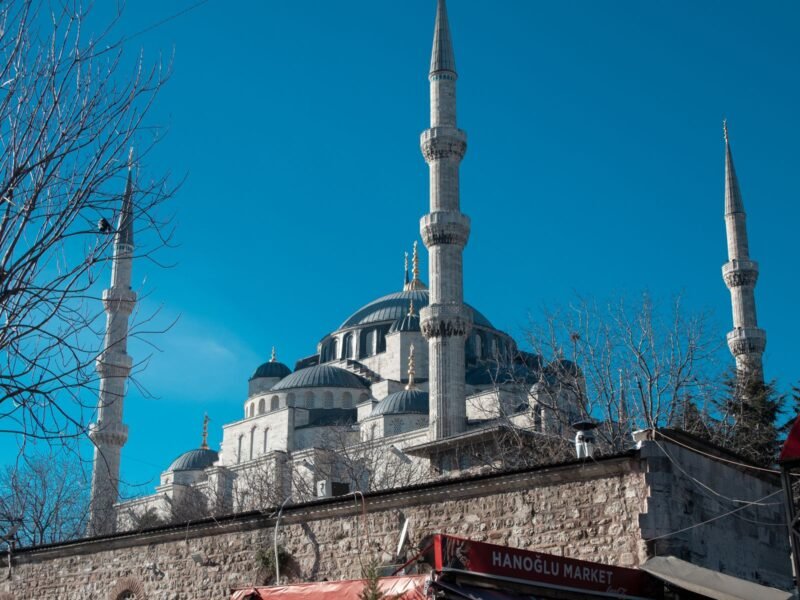
Süleymaniye Mosque
Süleymaniye Mosque is Mimar Sinan's 1557 Ottoman imperial mosque on a hilltop above the Golden Horn…
Read more →
Destinations / Bodrum
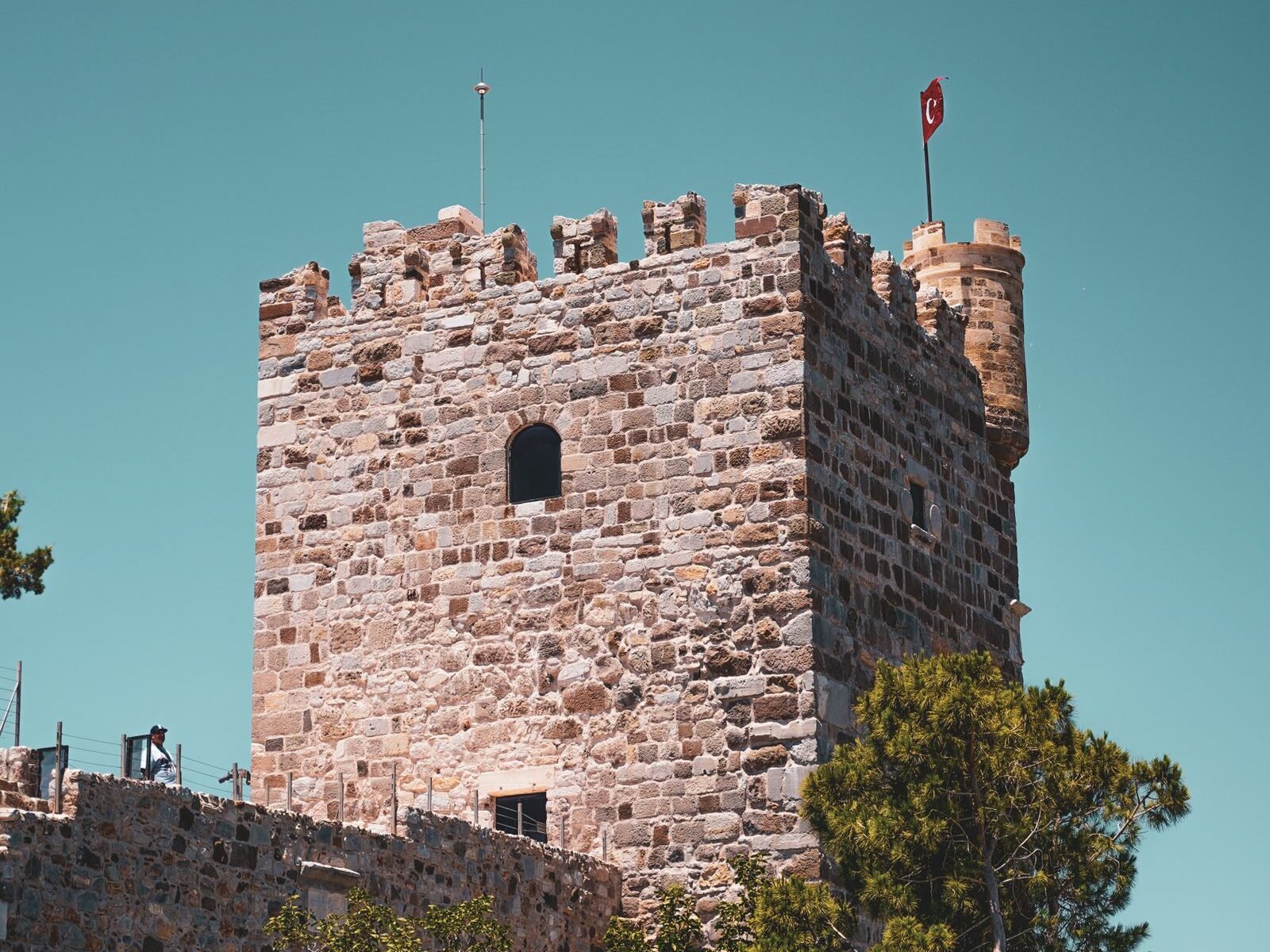
Bodrum is a resort town on Turkey's southwestern Aegean coast, built on ancient Halicarnassus, known for the Castle of St. Peter and a peninsula of distinct beach towns.
 Aegean (Muğla Province)
 | Tier | From |
|---|---|
| Budget | $30+ / night |
| Mid-Range | $110+ / night |
| Comfort | $550+ / night |
 Ancient Ruin
 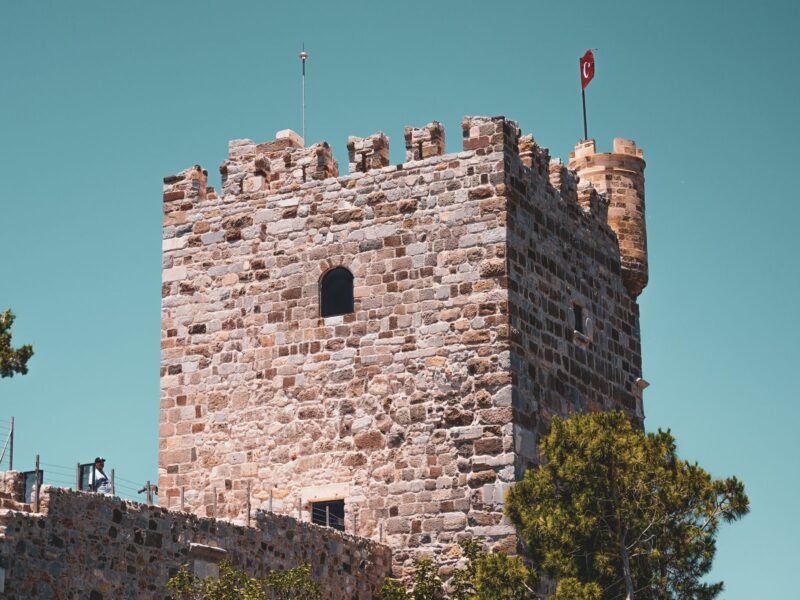 Museum
 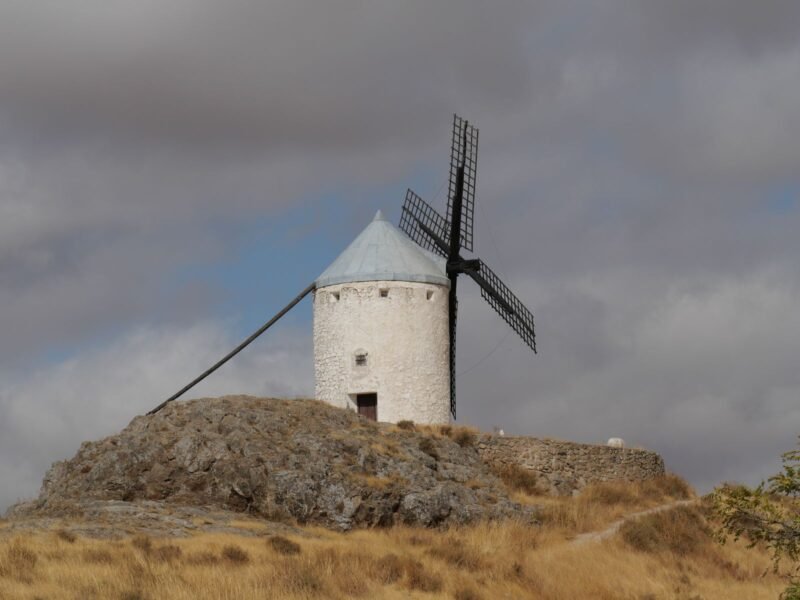 Viewpoint
 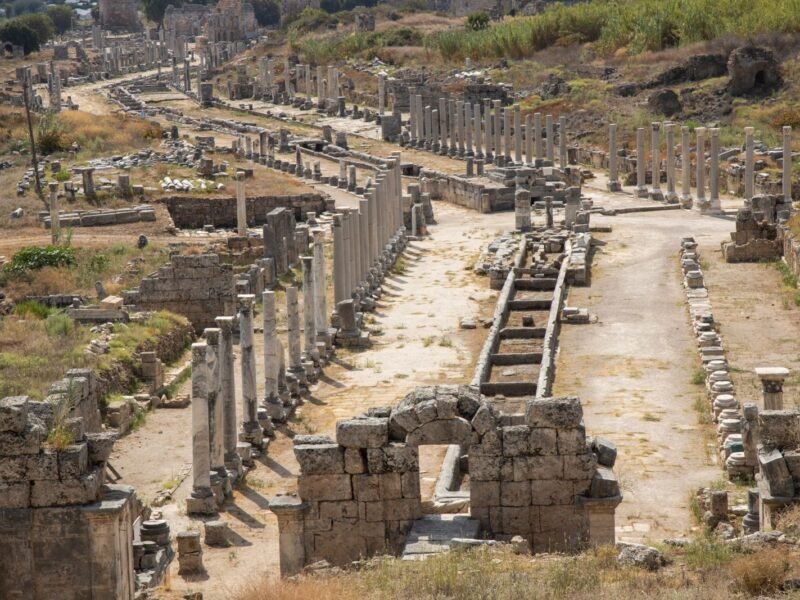 Ancient Ruin
 Bodrum Travel Guide — Bodrum is a resort town on Turkey’s southwestern Aegean coast, built on the ruins of ancient Halicarnassus, known for its whitewashed hillside architecture, the 15th-century Castle of St. Peter, and a peninsula of beach towns and marinas. It’s one of Turkey’s most upscale coastal destinations, distinct from the more budget-oriented resorts elsewhere on the coast.
Bodrum Town itself centers on the castle, marina and old bazaar streets, dense with restaurants, boutiques and nightlife. The wider Bodrum Peninsula fans out into distinct resort towns, each with a different character: Gümbet, closest to the center, is younger and livelier; Bitez has a calmer beach with windsurfing; Türkbükü and Yalıkavak, further out, lean upscale with marina developments and higher-end hotels; Turgutreis, on the western tip, is quieter and more residential. Which town you base yourself in matters more in Bodrum than in most Turkish destinations, since the peninsula’s towns genuinely differ in pace and price.
Bodrum Town suits travelers who want walkable nightlife and the castle on their doorstep. Yalıkavak or Türkbükü suit those prioritizing upscale marina life; Bitez or Gümbet suit beach-focused, more budget-conscious stays.
[/dt_tip>
Bodrum has a Mediterranean-influenced Aegean climate — hot, dry summers and mild winters — with the swimming and boating season running roughly May through October.
| Season | Months | Weather | What to expect |
|---|---|---|---|
| Spring | Apr–May | 16–24°C (61–75°F) | Comfortable for sightseeing, sea still cool for swimming |
| Summer | Jun–Aug | 26–33°C (79–91°F) | Peak season for beach clubs, boat trips and nightlife; busiest and priciest |
| Autumn | Sep–Oct | 20–28°C (68–82°F) | Warm sea, thinner crowds — a strong alternative to summer |
| Winter | Nov–Mar | 9–15°C (48–59°F) | Many beach clubs and marina businesses close for the season; a quiet, low-cost off-season |
An eSIM through a provider like Airalo (#affiliate-airalo), activated before arrival, works the moment you land at Milas-Bodrum Airport (BJV).
Milas-Bodrum Airport (BJV) sits about 35km from Bodrum Town and handles heavy seasonal charter and budget-carrier traffic from Europe in summer. Havaş shuttle buses and metered taxis both run into town and the peninsula’s resort areas, roughly 45 minutes to an hour depending on the destination.
Dolmuş (shared minibuses) connect Bodrum Town to the peninsula’s resort towns cheaply and frequently in season. Renting a car or scooter gives more flexibility for exploring multiple beach towns in a day; taxis and rideshare apps cover shorter hops within town.
Ancient Halicarnassus was a significant city of Caria under Persian and later Hellenistic rule, home to the historian Herodotus and site of the Mausoleum built for King Mausolus around 353-350 BC. The Knights of St. John built the Castle of St. Peter starting in 1402, using stone salvaged from the ruined Mausoleum, and the fortress remained under their control until the Ottoman conquest in 1523. The town later became known internationally through 20th-century Turkish writer Cevat Şakir Kabaağaçlı, “The Fisherman of Halicarnassus,” whose writing helped establish Bodrum’s modern identity as a bohemian, then increasingly upscale, coastal retreat.
Bodrum’s whitewashed, bougainvillea-covered architecture reflects a building code specific to the town, distinct from the concrete resort development common elsewhere on the Turkish coast. The town has a well-established reputation for nightlife and a more cosmopolitan, secular social atmosphere than much of the country, alongside standard Turkish hospitality norms.
Bodrum’s old bazaar streets carry leather goods, jewelry, ceramics and beachwear, with the usual haggling norms for non-fixed-price items. Yalıkavak Marina has developed into a higher-end shopping destination with international boutiques alongside its yacht-focused development.
Regional specialties from the Bodrum Peninsula.

A minimum of three to four days covers the castle, a boat trip and time at the beach, while a week allows exploring multiple peninsula towns without rushing.
Generally yes — Bodrum, particularly Yalıkavak and Türkbükü, has developed a more upscale reputation and pricing than resorts like Marmaris or Alanya, though budget options exist in Gümbet and Turgutreis.
Bodrum Town suits walkable nightlife and the castle; Yalıkavak or Türkbükü suit upscale marina life; Bitez or Gümbet suit beach-focused, more affordable stays.
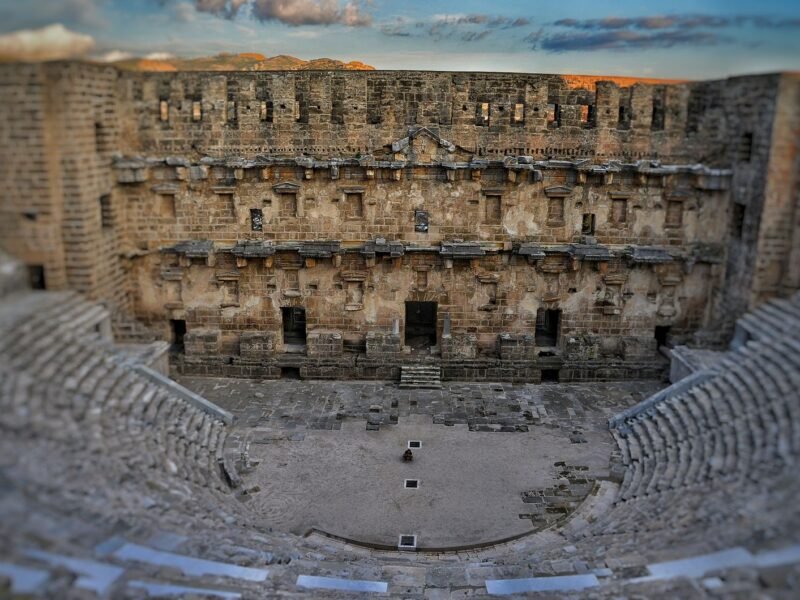
Yes — the Castle of St. Peter, the Mausoleum at Halicarnassus and the Bodrum Ancient Theatre give Bodrum a genuine historical layer most beach-resort towns on the coast don’t have.
Süleymaniye Mosque is Mimar Sinan's 1557 Ottoman imperial mosque on a hilltop above the Golden Horn…
Read more →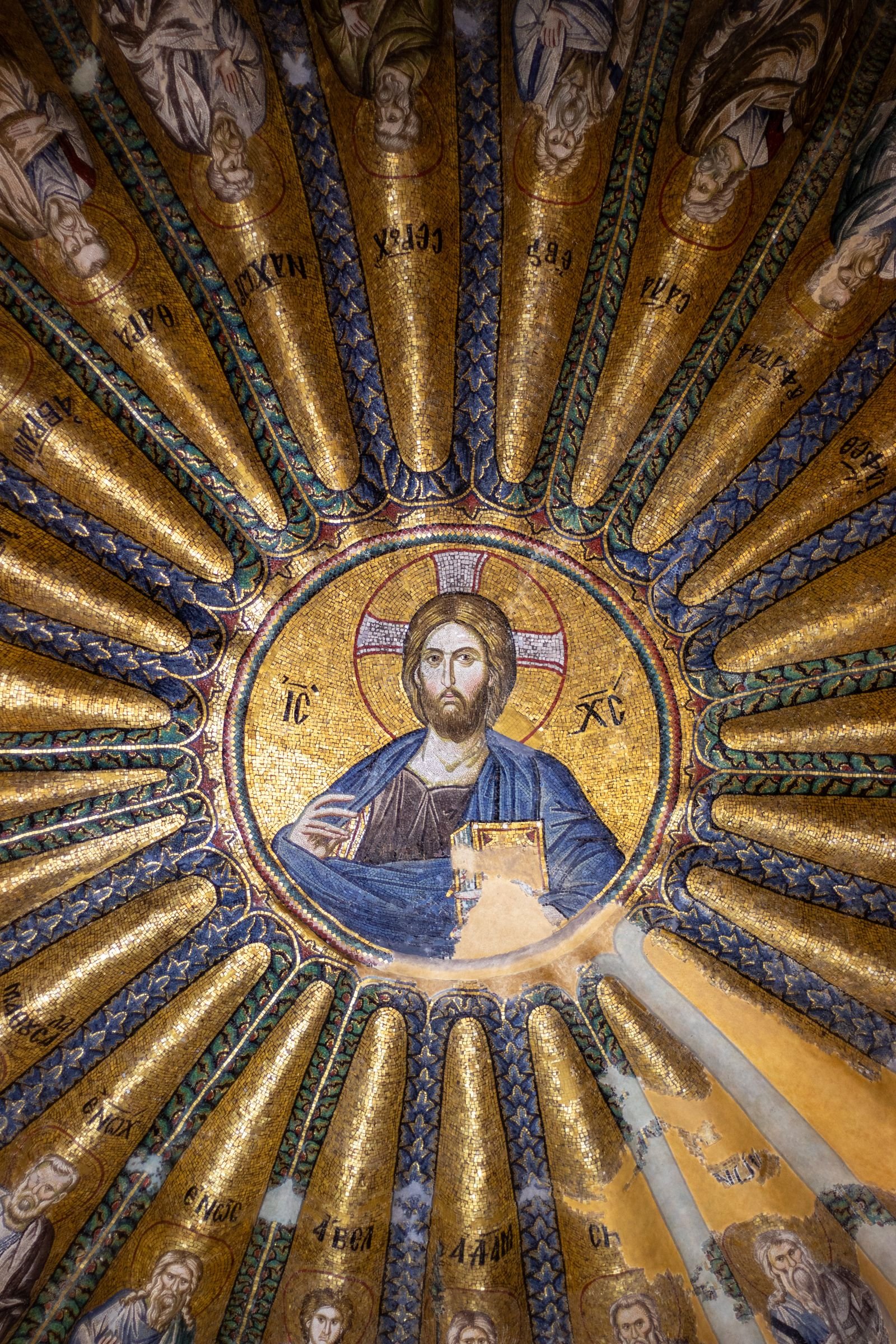
Chora Church (Kariye Mosque) in Edirnekapı holds some of the finest surviving Byzantine mosaics in the…
Read more →Dolmabahçe Palace is a 19th-century Ottoman palace on the Bosphorus in Beşiktaş, the last residence of…
Read more →
Comments