
ATTRACTION
Istanbul Photoshoot
An Istanbul photoshoot is a private session with a local photographer, usually 30 minutes to 2…
Read more →
Every rule for US, UK, Canadian, Australian, German and Dutch travellers, checked against Türkiye's foreign ministry and each government's own advice.
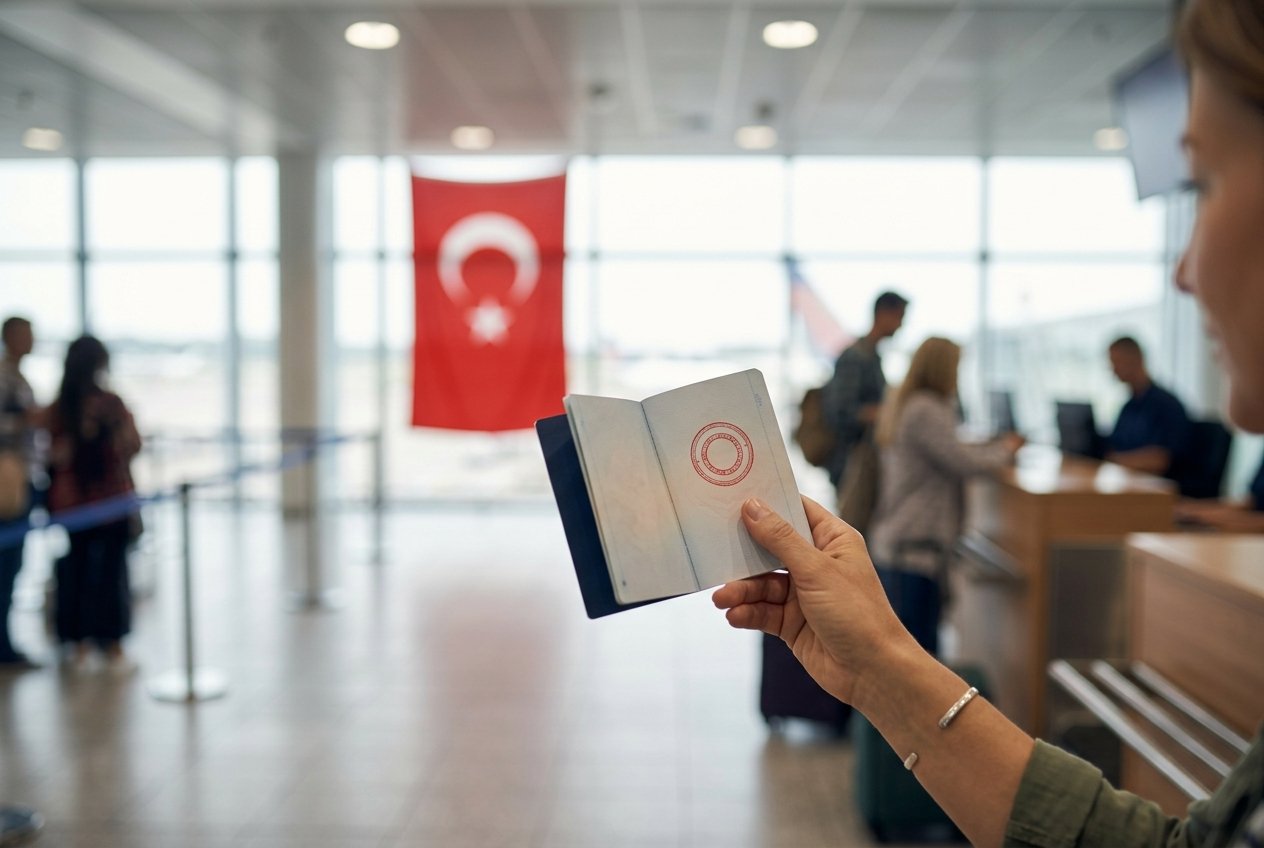
No — if you hold an ordinary passport from the United States, United Kingdom, Canada, Australia, Germany or the Netherlands, you don’t need a visa or an e-Visa to visit Turkey as a tourist. You can stay up to 90 days in any 180-day period, and Germans and Dutch citizens can enter on a national ID card. Below: each country’s rules side by side, passport validity (which differs by country), children travelling with one parent, airport arrival, and the mistakes that get people turned back.
By Discovering Türkiye Editorial · Last updated: 7 October 2026 · Checked against official sources (listed at the end of this page)
This page contains affiliate links; we may earn a commission at no extra cost to you.
Not for any of these six passports. Türkiye’s Ministry of Foreign Affairs lists ordinary passport holders from all six countries as visa-exempt for short visits, and each country’s own travel advice says the same. No e-Visa is involved, so there’s nothing to apply for or pay before you fly.
| Passport | Visa needed? | Maximum stay | e-Visa cost | Passport validity required | Official source |
|---|---|---|---|---|---|
| United States | Visa-free | 90 days in any 180 | None — not needed | 6 months from arrival, plus 1 blank page | US State Department |
| United Kingdom | Visa-free (full British Citizen passport) | 90 days in any 180 | None — not needed | Expiry at least 150 days after arrival, plus 1 blank page | GOV.UK |
| Canada | Visa-free | 90 days in any 180 | None — not needed | 60 days beyond your stay (150 days for a full 90-day visit) | Travel.gc.ca |
| Australia | Visa-free (since April 2026) | 90 days in any 180 | None — not needed | Turkish rule: 60 days beyond your stay (150 days for 90) | Smartraveller |
| Germany | Visa-free; passport or ID card | 90 days in any 180 | None — not needed | Passport, ID card or Kinderreisepass accepted even if expired up to 1 year | Auswärtiges Amt |
| Netherlands | Visa-free; passport or ID card | 90 days in any 180 | None — not needed | Passport or ID card valid at least 150 days on arrival; passport needs 1 blank page | Nederland Wereldwijd |
The exemption covers tourism, short business trips and transit. Working, studying, research or remote work need a visa arranged through a Turkish embassy or consulate before you travel.
Not every passport from these countries qualifies. US, Canadian and Australian official passports need a visa, and so do UK diplomatic and official passports. British National (Overseas), British Subject and British Protected Person passports also need a visa, issued only by a Turkish embassy or consulate.
Turkish law asks for 60 days of validity beyond your permitted stay, which is 150 days for a full 90-day visit. The US State Department tells Americans to carry 6 months, and the Dutch government tells its citizens 150 days even on an ID card. Airlines may apply the stricter rule at check-in, so follow your own country’s figure.
Carry a passport that’s valid for at least six months from the day you arrive, with one blank page. That clears every official rule on this page. Turkish law’s minimum is 60 days beyond your permitted stay, so 150 days on arrival for a 90-day visit. The figure you’re held to in practice is whichever is strictest: Turkey’s, your government’s, or your airline’s.
Count from your arrival date, not your return date. A UK passport expiring 140 days after you land fails the 150-day rule, even on a one-week holiday. Türkiye’s Ministry of Foreign Affairs itself advises six months from arrival.
Six months of validity on arrival plus one blank page meets every rule for all six countries. Germans and Dutch on ID cards follow their own rules in the next section.
Yes. Türkiye accepts national identity cards from 21 countries, including Germany and the Netherlands, so a German Personalausweis or a Dutch ID-kaart works instead of a passport. The two countries’ rules on validity are very different, though.
Check that your airline accepts an ID card on your route before you book, especially if you’re connecting through a non-EU airport.
You can be in Türkiye for up to 90 days within any rolling 180-day window. The window moves with each day: on any given day, count back 180 days and add up the days you spent in Turkey. Overstaying can lead to a fine, deportation or a ban on returning, so check your count before a long or repeat trip.
Days in Turkey don’t count toward the Schengen 90/180 allowance, and Schengen days don’t count here. The two clocks are separate, which helps if you’re combining Turkey with Greece or Bulgaria.
Possibly. The exemption depends on the passport you travel on, not where you live. A UK resident with an Indian passport, or a German resident with a Pakistani passport, follows their own nationality’s rules. For several nationalities, Türkiye issues a one-month single-entry e-Visa to people who hold a valid Schengen, US, UK or Irish visa or residence permit.
You queue for the foreign-passport desks, show your passport or ID card, and get an entry stamp. For these six nationalities there’s no visa to show and no fee. Make sure the officer stamps your passport: Travel.gc.ca warns that not having a stamp can lead to a fine, detention or deportation, and problems when you leave.
Istanbul Airport (IST): According to Turkish Airlines’ airport guide, you follow the blue signs from the jet bridge to passport control on the Arrivals level. The biometric e-gates there are only for Turkish citizens over 18 with a Turkish-issued chip passport, so don’t join that queue. After passport control you go downstairs to baggage claim, then through customs into the arrivals hall.
Antalya Airport (AYT): Fraport TAV, which runs the airport, says visa desks sit in the arrivals hall before passport control. They’re for nationalities that need a visa on arrival, so you can walk past them. Baggage claim comes after passport control, and luggage trolleys are free. International flights use Terminal 1 or Terminal 2 depending on the airline, so check yours on the airport’s website.
Keep your accommodation booking and return flight details on your phone in case the officer asks about your trip. The US State Department lists the cash limit on entry and exit as 25,000 Turkish lira or €10,000, or the equivalent.
The big four are a passport with too little validity, overstaying the 90 days, dual nationals using the wrong passport, and paying for an e-Visa that isn’t needed. Each one is easy to avoid if you check before you book.
Every child needs their own passport, or an ID card for German and Dutch children. Turkey has no special entry rules for minors, but several governments advise carrying proof of your relationship and the other parent’s consent. The Auswärtiges Amt says Turkey has no special rules for unaccompanied minors or children travelling with one parent.
| Your country | What its government advises |
|---|---|
| United States | Bring a copy of each child’s birth certificate. A notarised consent letter from the absent parent is recommended. |
| United Kingdom | If you’re leaving Turkey with a dual British-Turkish child aged 18 or under, you may need written permission from the Turkish parent. |
| Canada | Refers travellers to its general guidance on travelling with children. Check it before you go. |
| Australia | You may need to prove you’re the child’s legal parent or guardian. Check with a Turkish embassy or consulate. |
| Germany | Turkey has no special rules for minors travelling alone or with one parent. |
| Netherlands | If you travel alone with a child under 18, check which documents you need and take them with you. The government site has a consent-form tool. |
One extra risk the US State Department flags: if a parent starts a custody case in a Turkish court while the child is in Turkey, the court can stop the child from leaving until it’s settled.
None of the six governments lists them as entry requirements, but Turkish law lets border officers refuse even visa-free visitors who can’t show valid medical insurance, the purpose of their trip, or enough money for their stay. These checks are allowed, not routine. Carrying the proof costs you nothing.
Once your paperwork is sorted, plan the trip itself. Each guide covers where to stay, how to get around and what’s worth your time.
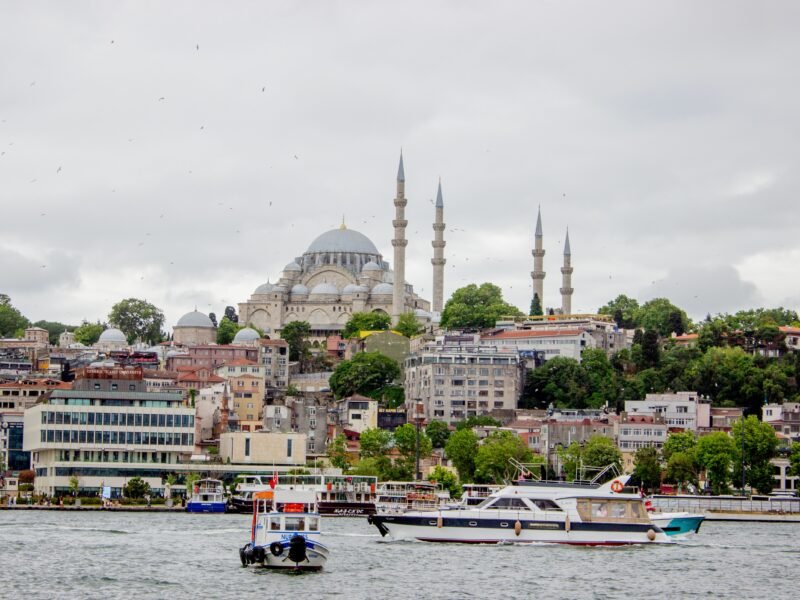
No. US citizens with an ordinary passport can visit Turkey visa-free for up to 90 days in any 180-day period, with no e-Visa. The US State Department advises a passport valid for six months beyond your arrival date, with one blank page. US official and diplomatic passport holders do need a visa.
No. Holders of a full British Citizen passport can visit Turkey for up to 90 days in any 180-day period without a visa. GOV.UK says your passport must expire at least 150 days after the date you arrive and have one blank page. British National (Overseas) and some other UK passport types still need a visa.
No. Canadians with a regular passport don’t need a visa for tourist stays of up to 90 days in a 180-day period. Travel.gc.ca says your passport must be valid for at least 60 days beyond your stay, which is 150 days on arrival for a full 90-day visit.
No, not since April 2026. Australians with an ordinary passport can visit for tourism, business or transit for up to 90 days in a 180-day period without a visa or e-Visa. Smartraveller confirms this. Australian official passport holders still need a visa.
Yes, within limits. The Auswärtiges Amt says Germans can enter on a passport, provisional passport, ID card or Kinderreisepass that expired no more than a year ago, but not on an expired provisional ID card. It warns this can cause problems at exit and in transit countries, so travel on a valid document if you can.
Yes. Dutch citizens can travel on a passport or an ID card without a visa for stays of up to 90 days. The Dutch government says the document must still be valid for at least 150 days when you arrive in Turkey.
Not by staying on. If you need more than 90 days, apply for a short-term residence permit through the Presidency of Migration Management’s e-İkamet system before your 90 days run out. Overstaying can lead to fines, deportation and an entry ban.

An Istanbul photoshoot is a private session with a local photographer, usually 30 minutes to 2…
Read more →
A free one-page Istanbul transport map: the lines visitors actually use, both airport routes, and the…
Read more →
Süleymaniye Mosque is Mimar Sinan's 1557 Ottoman imperial mosque on a hilltop above the Golden Horn…
Read more →
Comments