ATTRACTION
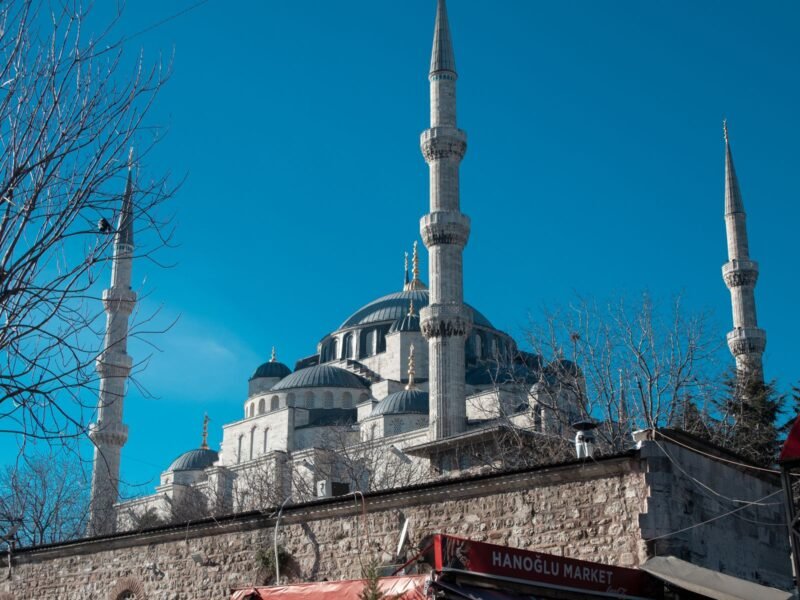
Süleymaniye Mosque
Süleymaniye Mosque is Mimar Sinan's 1557 Ottoman imperial mosque on a hilltop above the Golden Horn…
Read more →
Destinations / Cappadocia
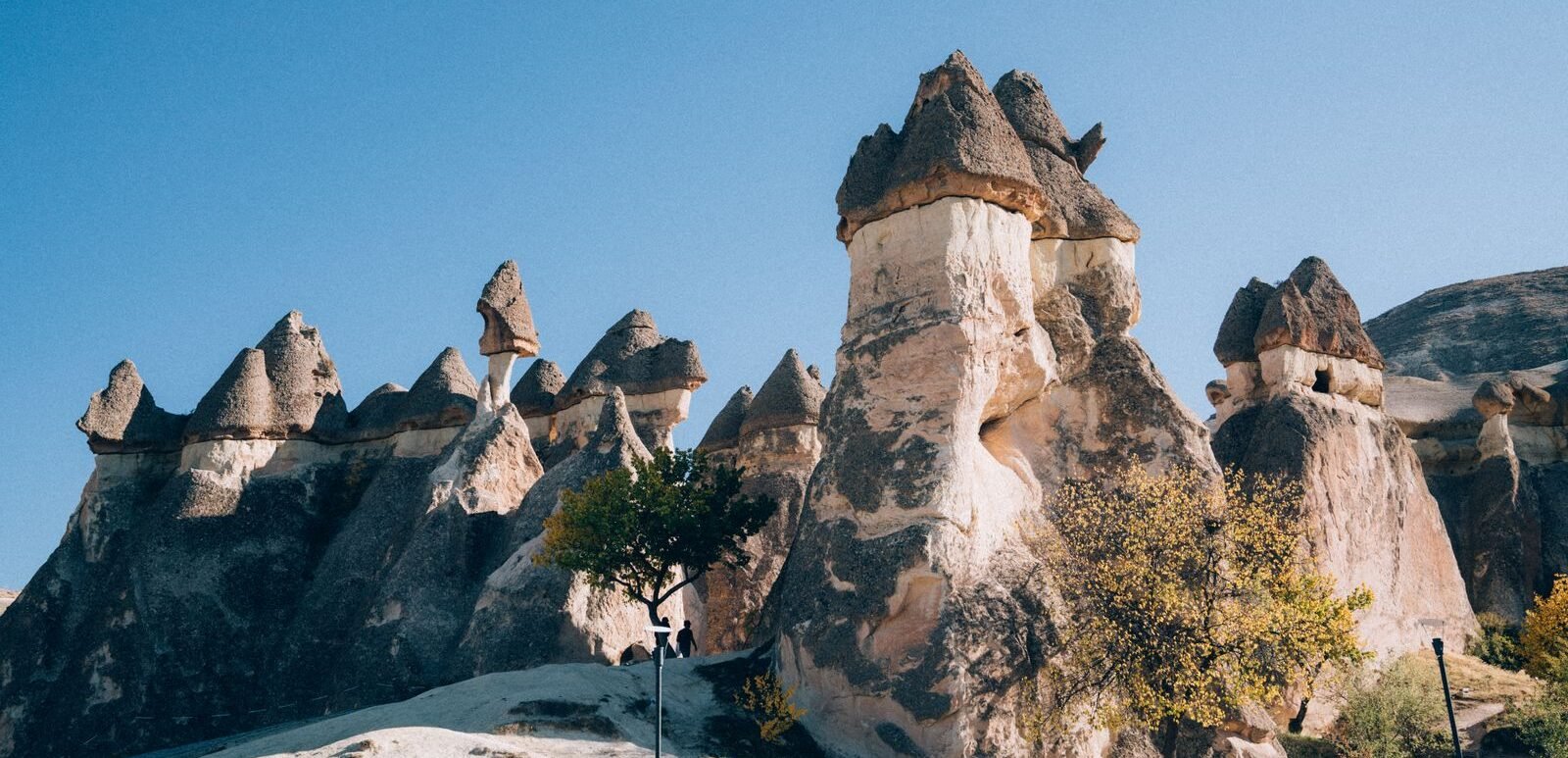
Cappadocia is a volcanic region in central Turkey known for its fairy chimney rock formations, cave dwellings, underground cities and sunrise hot air balloon flights.
 Central Anatolia
 | Tier | From |
|---|---|
| Budget | $30+ / night |
| Mid-Range | $110+ / night |
| Comfort | $320+ / night |
 Ancient Ruin
  Museum
 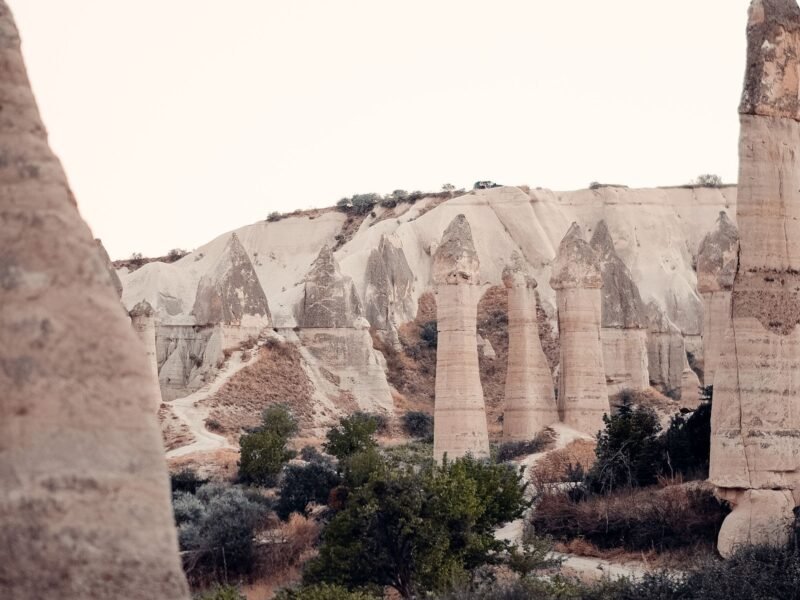 Natural Site
 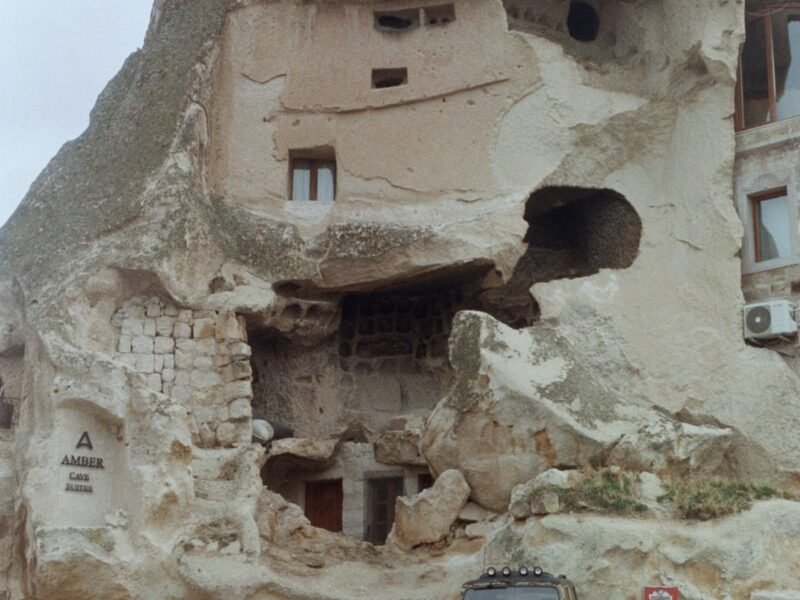 Natural Site
 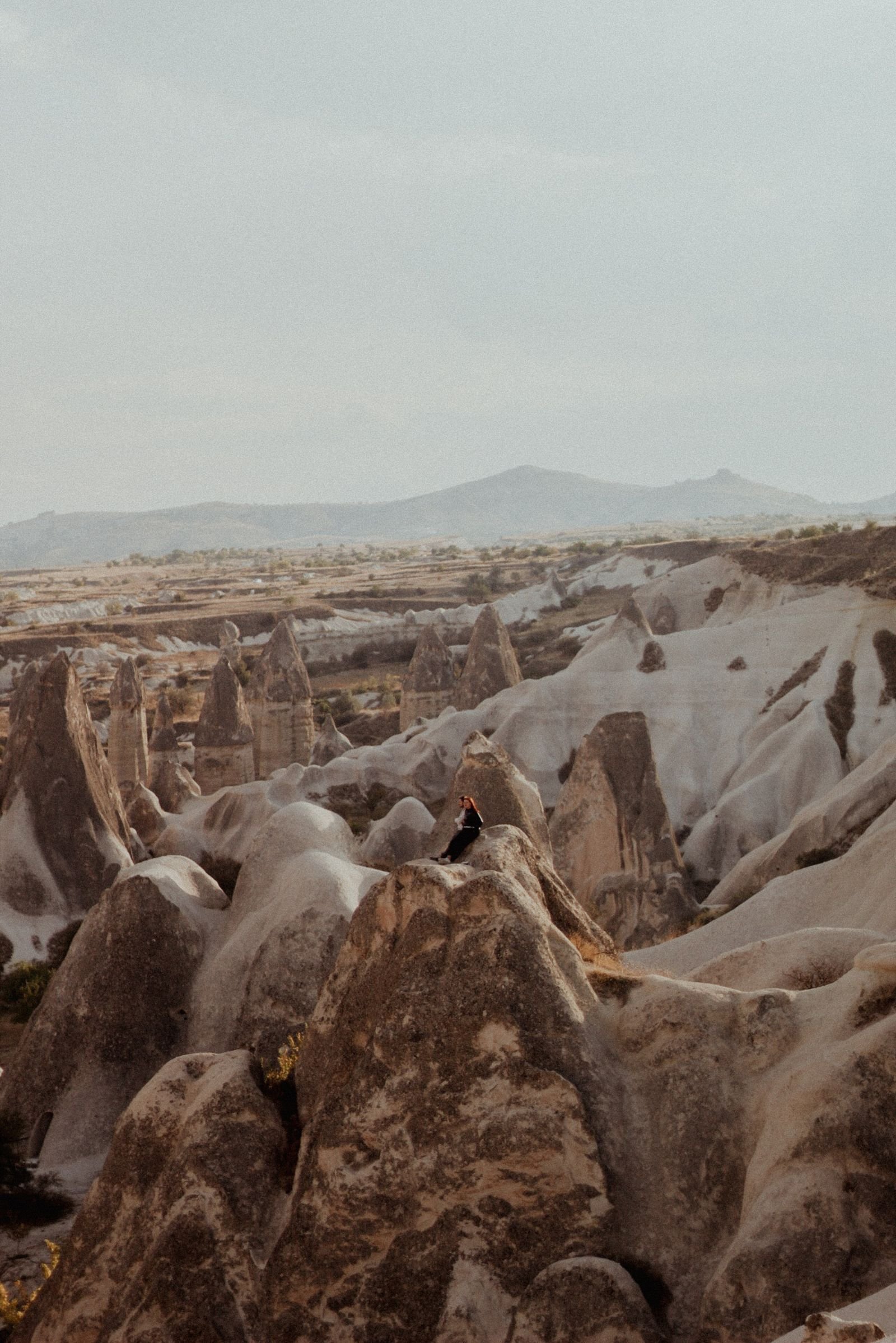 Natural Site
 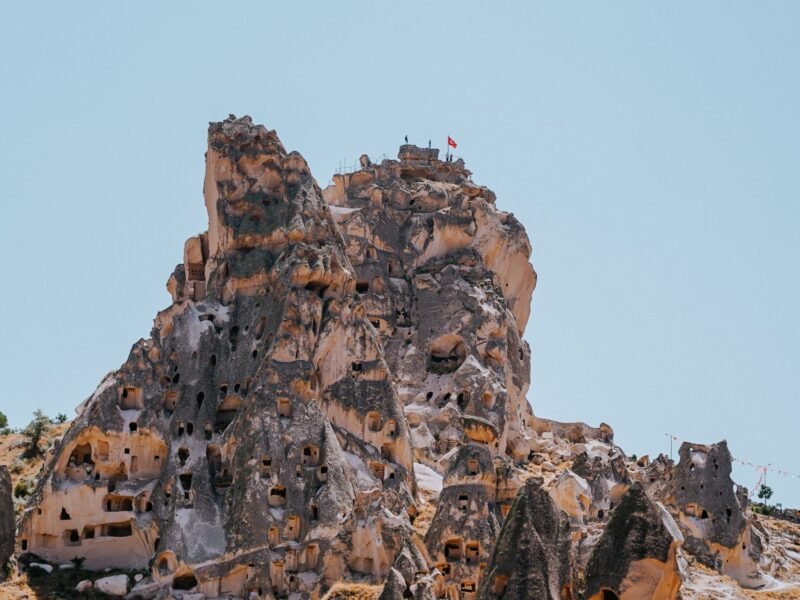 Viewpoint
  Craft
Craft 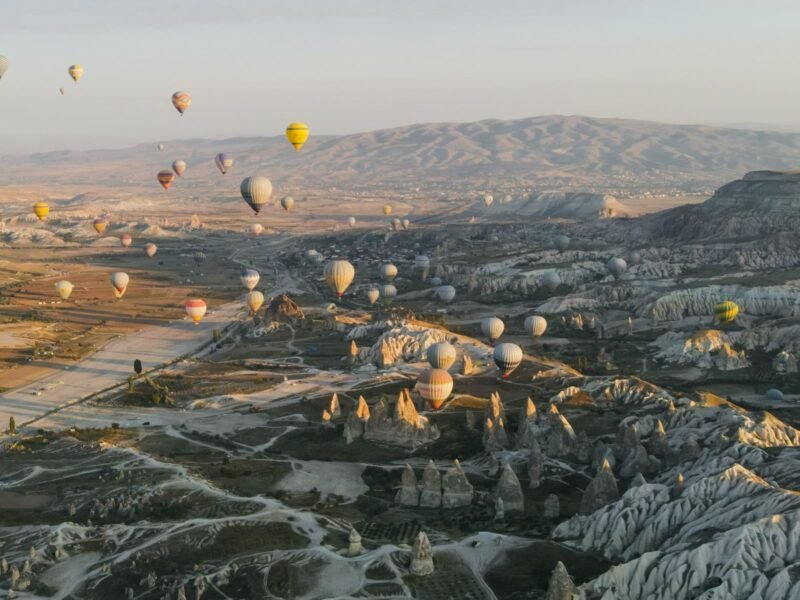 Aerial
 Cappadocia is a volcanic region in central Turkey known for its cone-shaped rock formations called fairy chimneys — this Cappadocia travel guide covers the region, cave dwellings carved directly into soft volcanic rock, underground cities, and sunrise hot air balloon flights over the valleys. It spans several towns — Göreme, Uçhisar, Ürgüp and Avanos — rather than a single city center, and most visitors base themselves in Göreme.
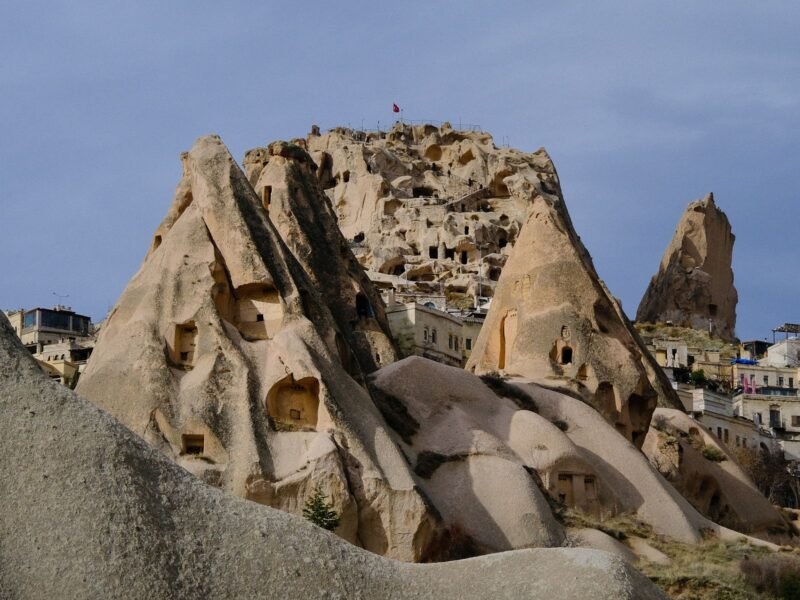
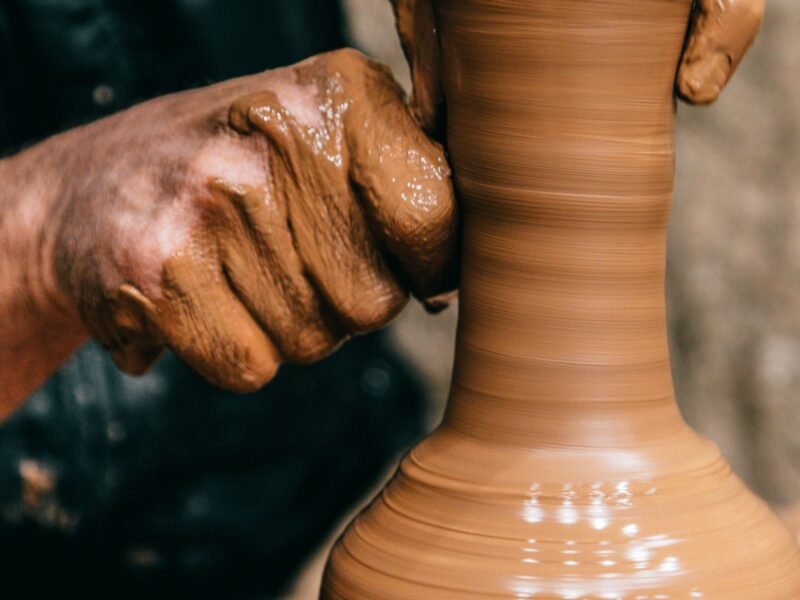
Cappadocia isn’t one town but a region of small villages spread across a volcanic plateau, each with a different character. Göreme is the tourist hub — dense with cave hotels, restaurants and the launch point for most balloon flights, and home to the Göreme Open-Air Museum. Uçhisar, a short drive away, is quieter and centers on a massive natural rock citadel that’s the highest point in the region. Ürgüp has a more upscale, less backpacker-oriented feel, with boutique cave hotels and wineries nearby. Avanos, on the Kızılırmak (Red River), has been a pottery-making center for over 4,000 years and is the place to see or try wheel-thrown ceramics using local red clay.
Göreme is the most convenient base — walkable, central to balloon launch sites, and close to the Open-Air Museum. Uçhisar suits travelers who want quiet and a view over Göreme itself; Ürgüp suits those prioritizing food and wine over walkable nightlife.
Cappadocia’s climate is continental — hot, dry summers and cold winters — with the clearest balloon-flying weather typically in spring and autumn.
| Season | Months | Weather | What to expect |
|---|---|---|---|
| Spring | Apr–May | 10–22°C (50–72°F) | Wildflowers in the valleys, good balloon-flight consistency, moderate crowds |
| Summer | Jun–Aug | 20–34°C (68–93°F) | Hot and dry by day, cooler at night; peak season for both crowds and balloon bookings |
| Autumn | Sep–Oct | 12–25°C (54–77°F) | Widely considered the best window — mild temperatures, good flying weather, thinner crowds than summer |
| Winter | Nov–Mar | -2–10°C (28–50°F) | Occasional snow dusting the fairy chimneys; more balloon cancellations due to weather, lowest hotel prices |
Cappadocia’s valleys and cave-hotel interiors can have patchy signal even with a working SIM, so activate an eSIM through a provider like Airalo (#affiliate-airalo) before you arrive rather than relying on finding a shop in Göreme’s small center.
Cappadocia has two small regional airports: Nevşehir (NAV), about 30–40 minutes from Göreme, and Kayseri (ASR), about an hour away, both served by domestic flights from Istanbul. Most hotels arrange an airport transfer; there’s no useful public transit link from either airport. An overnight bus from Istanbul is also common, taking roughly 10–11 hours.
Cappadocia’s villages are spread out enough that walking alone won’t cover much beyond central Göreme. Renting a car or scooter gives the most flexibility for reaching Uçhisar, Avanos and the underground cities independently; otherwise, the Red Tour and Green Tour minibus circuits (run by nearly every local operator) cover the main sites in a single day each without needing to drive yourself.
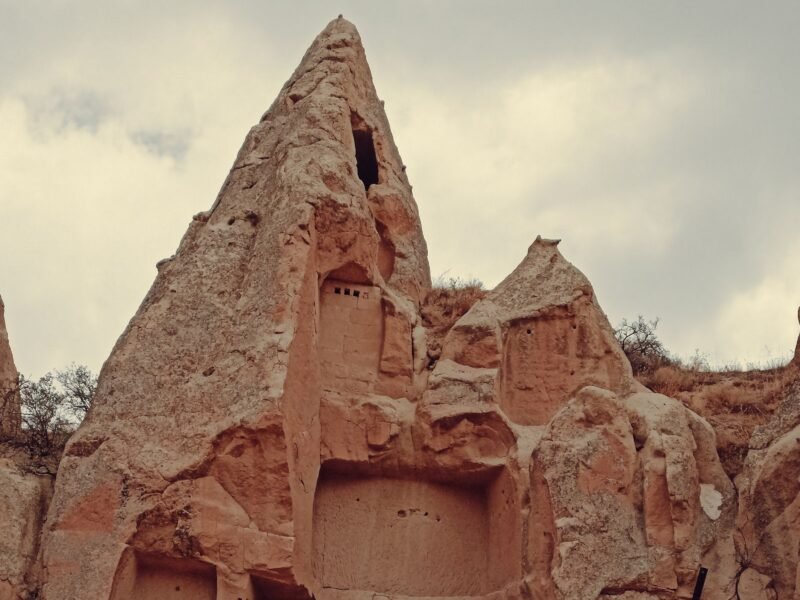
Cappadocia’s soft volcanic rock, formed by eruptions from ancient volcanoes including Mount Erciyes, proved easy to carve, and communities exploited this as far back as the Hittite period. Early Christian communities carved churches and entire underground cities into the rock between the 4th and 9th centuries AD, using the underground networks to shelter from Arab raids and later persecution. The rock-cut churches around Göreme, decorated with Byzantine frescoes between the 10th and 13th centuries, were designated a UNESCO World Heritage Site in 1985.
Many Cappadocia hotels are converted cave dwellings — a genuinely local building tradition rather than a tourist gimmick, since local families have lived in similar rock-cut homes for centuries. Local etiquette follows standard Turkish norms: dress modestly at religious sites, and expect an unhurried pace of service at family-run restaurants outside Göreme’s busiest strip.
Avanos is the place for hand-thrown pottery using local red clay — many workshops let you watch or try the wheel yourself. Ürgüp and the surrounding area produce wine from grapes grown in Cappadocia’s volcanic soil, with several wineries offering tastings. Carpets and kilims are also widely sold, with the same haggling norms as elsewhere in Turkey.
Pair a morning at Göreme Open-Air Museum with an afternoon glass of Cappadocia wine in Ürgüp.
Regional specialties tied to Cappadocia’s volcanic soil and clay tradition.

Most visitors need 3–4 days to fit a hot air balloon flight, the Göreme Open-Air Museum, an underground city and at least one valley hike, though 2 days covers the essentials if a balloon flight isn’t a priority.
Yes — the rock-cut churches, underground cities and hiking valleys stand on their own, though the balloon flight is the region’s single most iconic experience and most visitors build their schedule around weather windows for it.
Not strictly — Red Tour and Green Tour minibus circuits cover the main sites without driving, though a rental car or scooter gives more flexibility for reaching Uçhisar, Avanos and quieter valleys independently.
Spring (April–May) and autumn (September–October) offer the most consistent flying weather, while winter sees more weather-related cancellations and summer is the busiest and hottest.
Yes for most visitors — staying in a genuine cave-cut room, rather than just visiting the region, is part of what makes a Cappadocia trip distinctive, and hotels across all three tiers listed above offer the format, not just the priciest options.
Süleymaniye Mosque is Mimar Sinan's 1557 Ottoman imperial mosque on a hilltop above the Golden Horn…
Read more →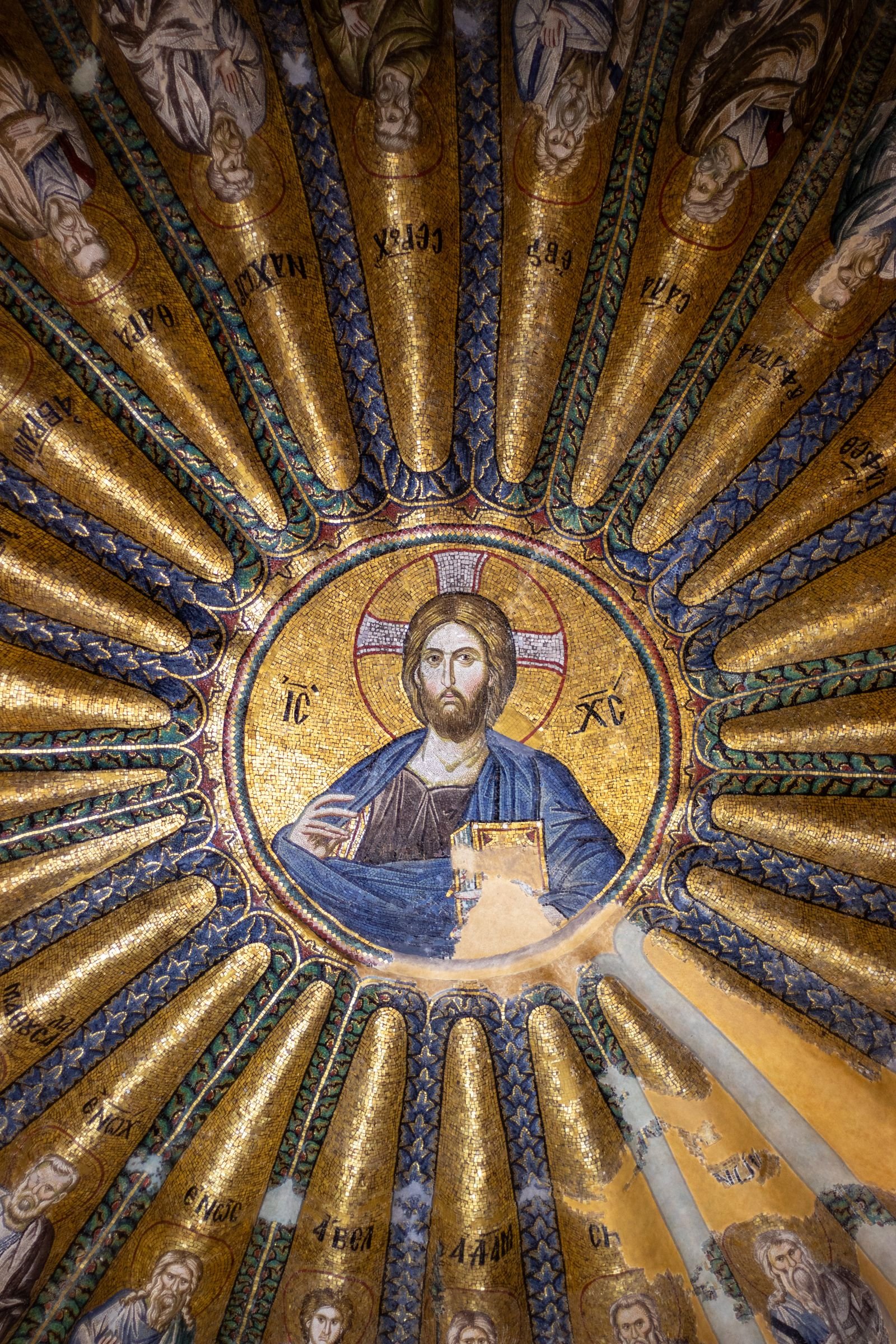
Chora Church (Kariye Mosque) in Edirnekapı holds some of the finest surviving Byzantine mosaics in the…
Read more →Dolmabahçe Palace is a 19th-century Ottoman palace on the Bosphorus in Beşiktaş, the last residence of…
Read more →
Comments