ATTRACTION
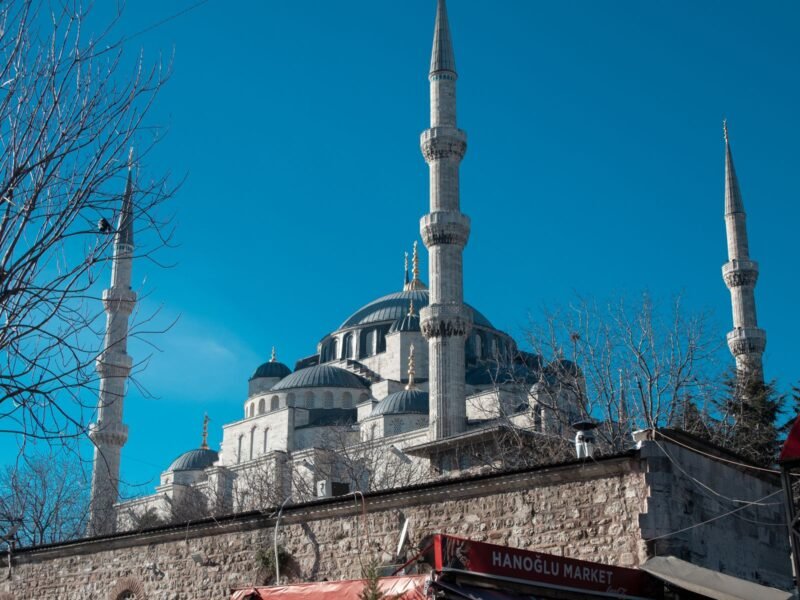
Süleymaniye Mosque
Süleymaniye Mosque is Mimar Sinan's 1557 Ottoman imperial mosque on a hilltop above the Golden Horn…
Read more →
Turkish coffee is a finely ground, unfiltered coffee brewed slowly in a cezve pot, recognized by UNESCO in 2013 as part of Turkey's Intangible Cultural Heritage.
Turkish coffee is a finely ground, unfiltered coffee brewed slowly in a small pot called a cezve, served with the grounds settled at the bottom of the cup, and recognized by UNESCO in 2013 as part of the country’s Intangible Cultural Heritage. It’s traditionally a slow, social drink rather than a quick caffeine fix, often served alongside a small piece of Turkish delight and a glass of water.
The coffee is ground far finer than espresso — closer to powder — and brewed unfiltered directly in the cup’s serving pot (cezve), which means the fine grounds settle at the bottom rather than being strained out. It’s traditionally brewed slowly over low heat, allowed to foam without boiling, and served in small cups alongside a glass of water to cleanse the palate beforehand. Sugar is added during brewing, not after, so it’s ordered by sweetness level: sade (no sugar), az şekerli (a little), orta (medium) or şekerli (sweet).
Sip slowly rather than drinking it down — it’s meant to be a lingering, conversational drink, and the thick layer of grounds at the bottom is left undrunk. A traditional (and still fairly common) custom involves flipping the empty cup onto its saucer once finished, letting the grounds trail down the inside, then reading the resulting patterns for fortune-telling — a lighthearted social ritual (tasseography) more than a serious practice today, but still genuinely part of many family gatherings.
Offering Turkish coffee to a guest is a long-standing hospitality custom, and a Turkish proverb — “a single cup of coffee commits one to forty years of friendship” — captures how central it is to Turkish social life. It’s traditionally central to certain milestone occasions too, including a groom’s family being served coffee during a traditional marriage proposal visit.
Turkish coffee culture and tradition was inscribed on UNESCO’s Representative List of the Intangible Cultural Heritage of Humanity in 2013.
Source: UNESCO

It has a similarly high caffeine concentration by volume since it’s unfiltered and finely ground, though the small serving size means a single cup often has comparable total caffeine to a shot of espresso rather than significantly more.
No — the fine grounds settle at the bottom of the cup during brewing and are left undrunk; stop sipping once you reach the thick sediment layer.
After finishing the coffee, the cup is flipped onto its saucer and left to cool, and the patterns left by the settling grounds are then read for lighthearted fortune-telling — a common, informal social custom rather than a serious practice.
Süleymaniye Mosque is Mimar Sinan's 1557 Ottoman imperial mosque on a hilltop above the Golden Horn…
Read more →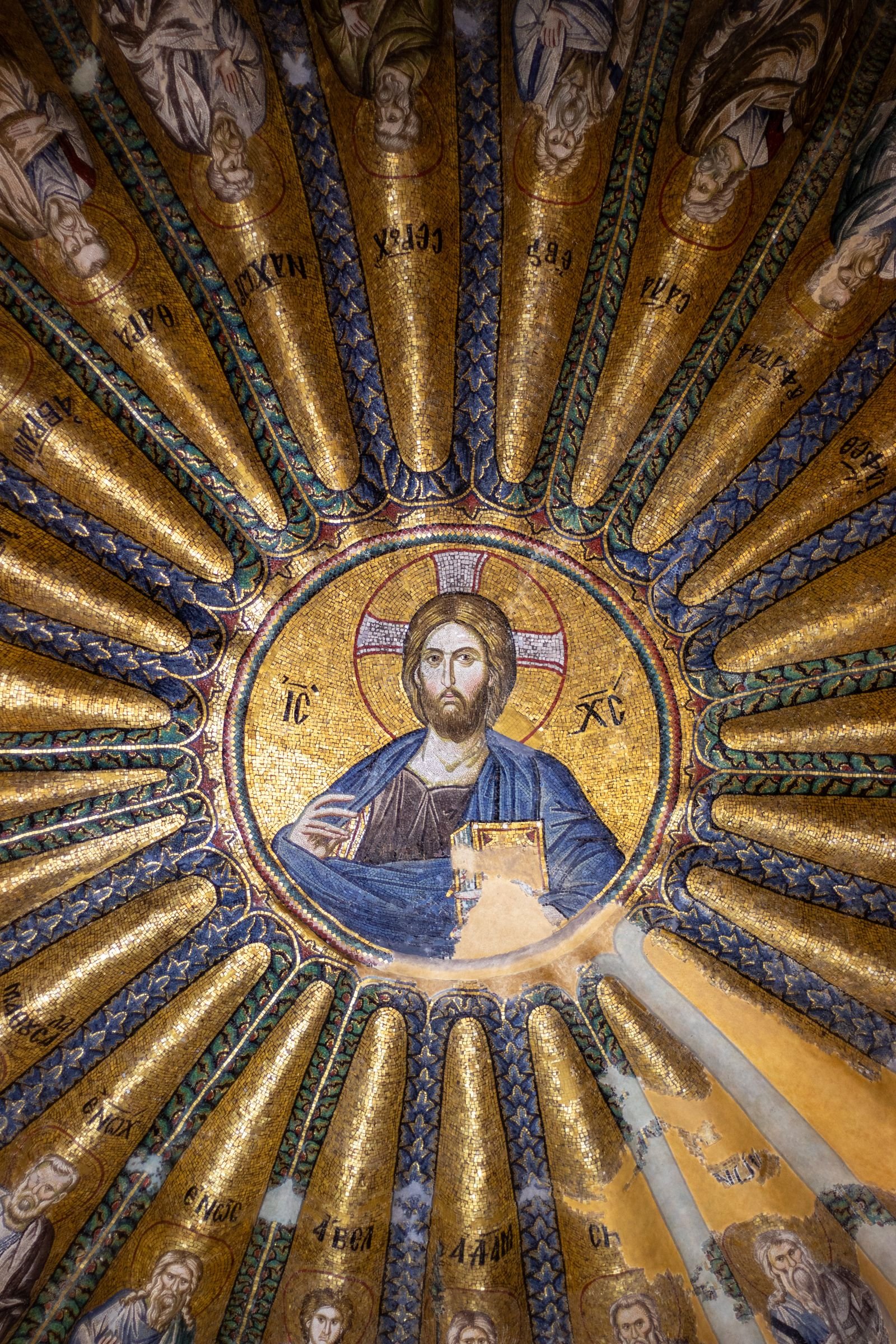
Chora Church (Kariye Mosque) in Edirnekapı holds some of the finest surviving Byzantine mosaics in the…
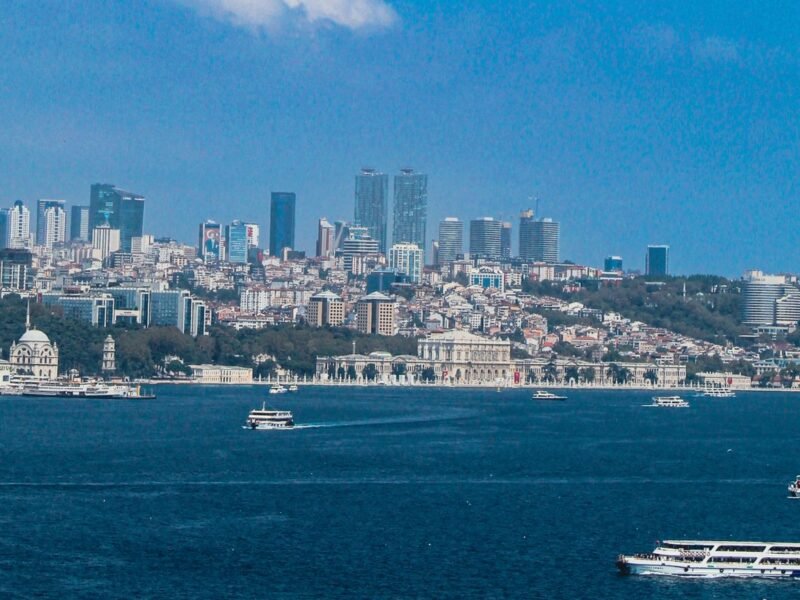
Read more →Dolmabahçe Palace is a 19th-century Ottoman palace on the Bosphorus in Beşiktaş, the last residence of…
Read more →
Comments