ATTRACTION
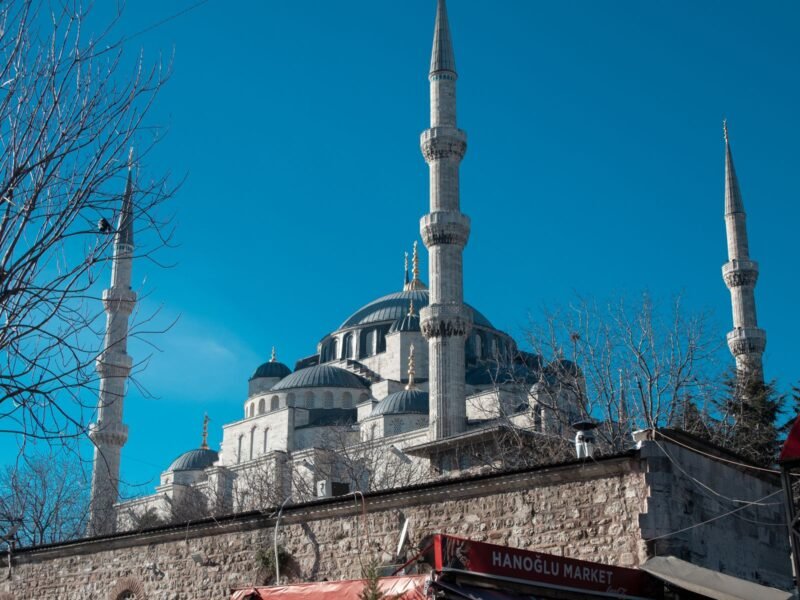
Süleymaniye Mosque
Süleymaniye Mosque is Mimar Sinan's 1557 Ottoman imperial mosque on a hilltop above the Golden Horn…
Read more →
Destinations / Antalya
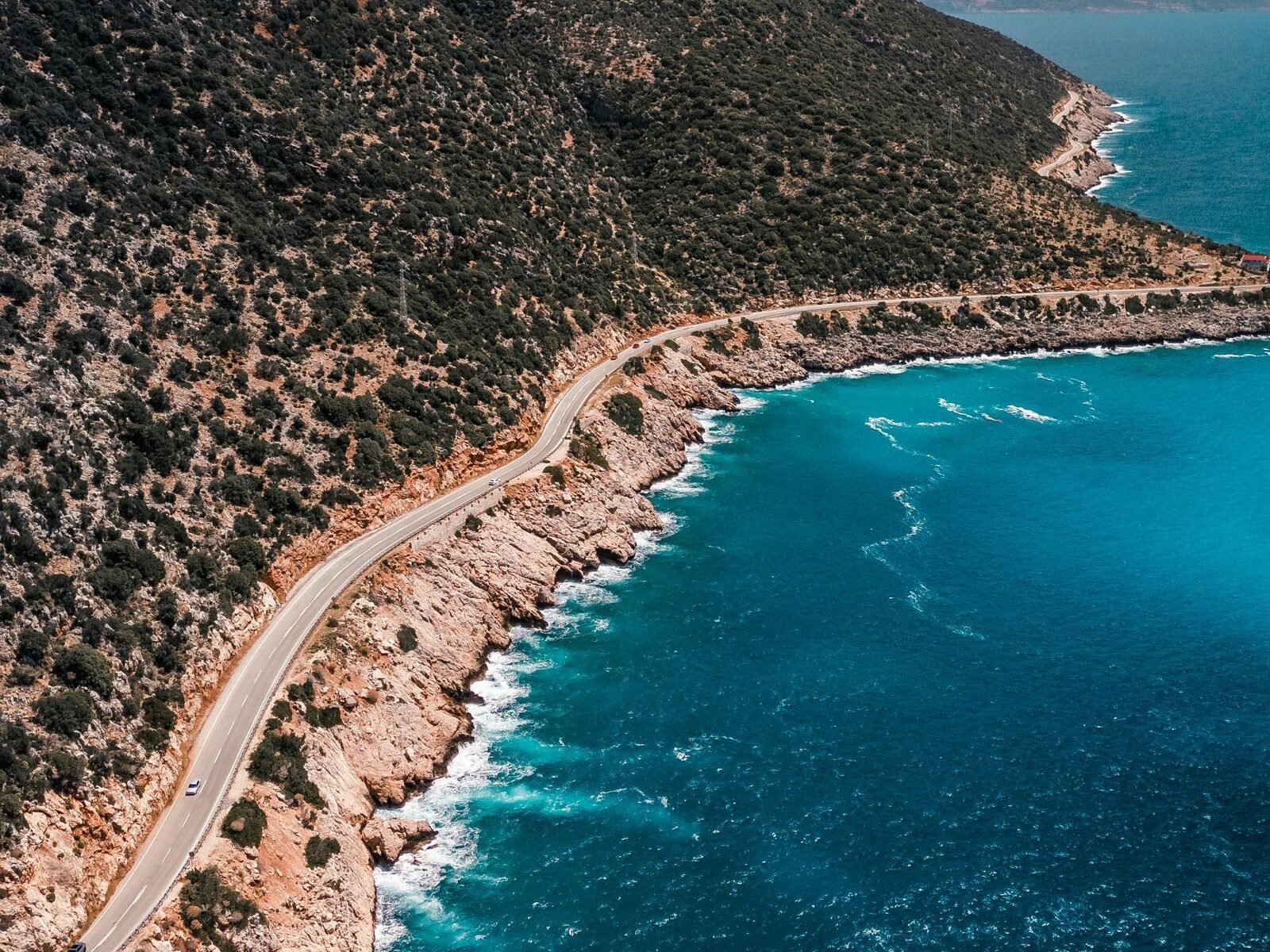
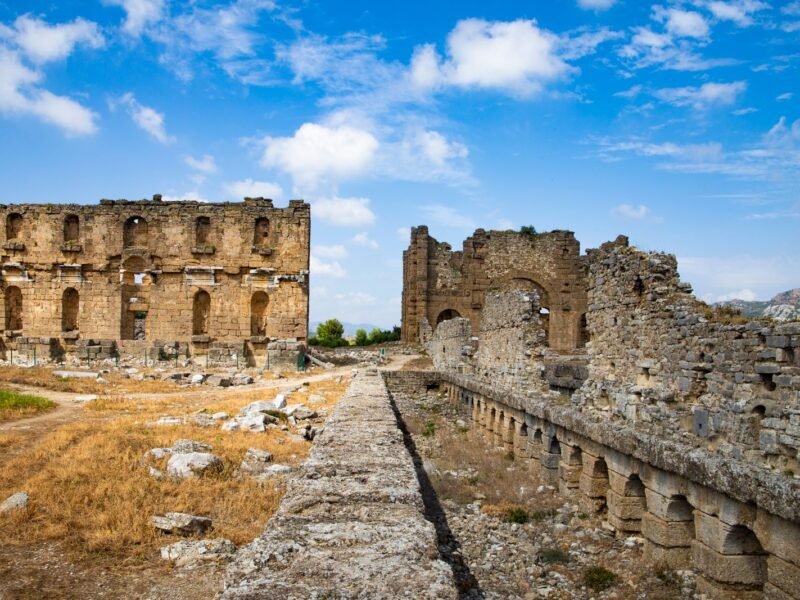
Antalya is Turkey's Mediterranean gateway city to the Turquoise Coast, known for Blue Flag beaches, the old town of Kaleiçi, and nearby Roman ruins including Aspendos and Perge.
 Mediterranean (Turquoise Coast)
 | Tier | From |
|---|---|
| Budget | $30+ / night |
| Mid-Range | $95+ / night |
| Comfort | $260+ / night |
 Ancient Ruin
 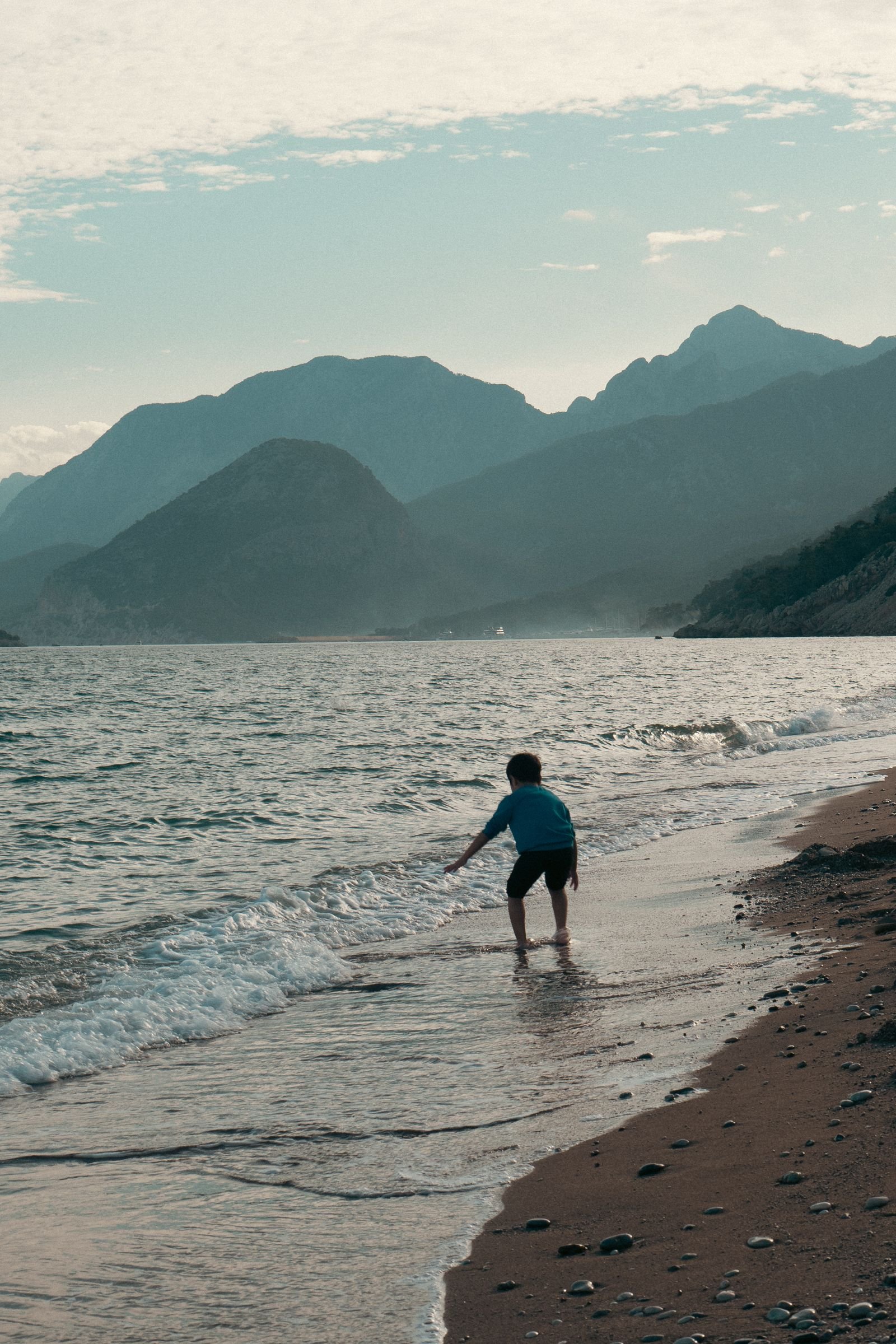 Natural Site
 Antalya Travel Guide — Antalya is a Mediterranean coastal city in southern Turkey known as the gateway to the Turquoise Coast, famous for Blue Flag beaches, the Ottoman-era old town of Kaleiçi, and nearby Roman ruins including Aspendos and Perge. It’s Turkey’s fourth-largest city and its most-visited by international beach tourism.
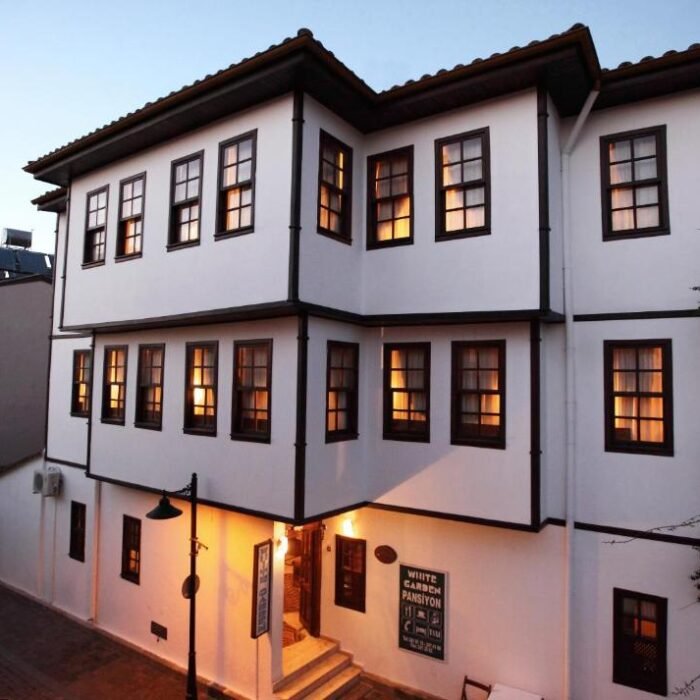
Kaleiçi, the walled old town, is the historic core — narrow cobbled streets, restored Ottoman houses turned boutique hotels, and the old Roman harbor, all within walking distance of Hadrian’s Gate. Konyaaltı, west of the center, is a long pebble beach backed by the Beydağları mountains, popular with families and lined with beach clubs and the AntalyaKart tram line. Lara, east of the center, has sandier beaches and most of the city’s large resort hotels, further from the old town but closer to the airport. Beyond the city itself, day trips reach Roman ruins scattered across the surrounding Pamphylia region — Aspendos, Perge and Termessos are the three most visited.
Kaleiçi suits travelers who want walkable access to restaurants, nightlife and the harbor. Konyaaltı or Lara suit those prioritizing beach time and resort amenities over old-town charm.
[/dt_tip>
Antalya has a Mediterranean climate — hot, dry summers and mild, wetter winters — with the swimming season running roughly May through October.
| Season | Months | Weather | What to expect |
|---|---|---|---|
| Spring | Apr–May | 16–25°C (61–77°F) | Comfortable for sightseeing and ruins, sea still cool for swimming |
| Summer | Jun–Aug | 26–34°C (79–93°F) | Peak beach season, hottest and busiest, highest hotel prices |
| Autumn | Sep–Oct | 20–29°C (68–84°F) | Warm sea, thinner crowds than summer — a strong alternative window |
| Winter | Nov–Mar | 10–16°C (50–61°F) | Too cool to swim for most visitors, but mild enough for ruins and old-town sightseeing at the lowest prices |
An eSIM activated before arrival works the moment you land at Antalya Airport (AYT), avoiding the arrivals-hall SIM counters. Set one up through a provider like Airalo (#affiliate-airalo) ahead of your trip.
Antalya Airport (AYT) sits about 13km northeast of the city center and handles both domestic flights and a large volume of European charter and budget-carrier traffic in summer. The Havaş airport shuttle and metered taxis both run into the city center and Lara; Kaleiçi and Konyaaltı hotels are typically a 20–30 minute ride depending on traffic.
The AntRay tram connects Konyaaltı Beach through the city center toward the eastern suburbs, and Kaleiçi itself is entirely walkable, pedestrianized cobblestone streets. For day trips to Aspendos, Perge or Termessos, renting a car or booking a tour with transport included is far more practical than public buses, which run infrequently to these sites. Taxi apps like BiTaksi offer more reliable metered fares than hailing a street taxi directly.
Founded around 150 BC by King Attalus II of Pergamon, who gave the city its original name Attaleia, Antalya passed through Roman, Byzantine, Seljuk and Ottoman rule over the following two millennia — each leaving a visible layer in Kaleiçi’s architecture. The surrounding Pamphylia region was densely urbanized in Roman times, which is why Aspendos, Perge and Side all sit within a short drive of the modern city, each once a prosperous independent city in its own right.
Antalya is a major international beach resort city, and dress norms are relaxed near the beaches and hotel zones, though modest dress is still expected at religious sites and appreciated in the old town’s residential streets. Alcohol is widely available at restaurants, bars and hotels throughout the city.
Kaleiçi’s old-town streets hold leather goods, carpets, ceramics and souvenir shops, with the same haggling norms as elsewhere in Turkey for non-fixed-price items. For contemporary retail, Migros and TerraCity malls cover mainstream shopping outside the historic core.
Regional specialties tied to the Mediterranean coast and its citrus groves.

A minimum of three days covers Kaleiçi, the beaches and a boat trip, while a week or more allows day trips to Aspendos, Perge, Termessos and the Düden Waterfalls without rushing.
Both — Antalya is unusual in combining a major beach resort with some of the best-preserved Roman ruins in the Mediterranean, all within day-trip range of the same base.
Not strictly, since guided tours with transport cover Aspendos, Perge and Termessos without driving yourself, though a rental car offers more flexibility if you want to set your own pace.
Kaleiçi suits travelers prioritizing walkability and old-town character, while Konyaaltı or Lara suit those prioritizing beach access and resort-style hotels.
Süleymaniye Mosque is Mimar Sinan's 1557 Ottoman imperial mosque on a hilltop above the Golden Horn…
Read more →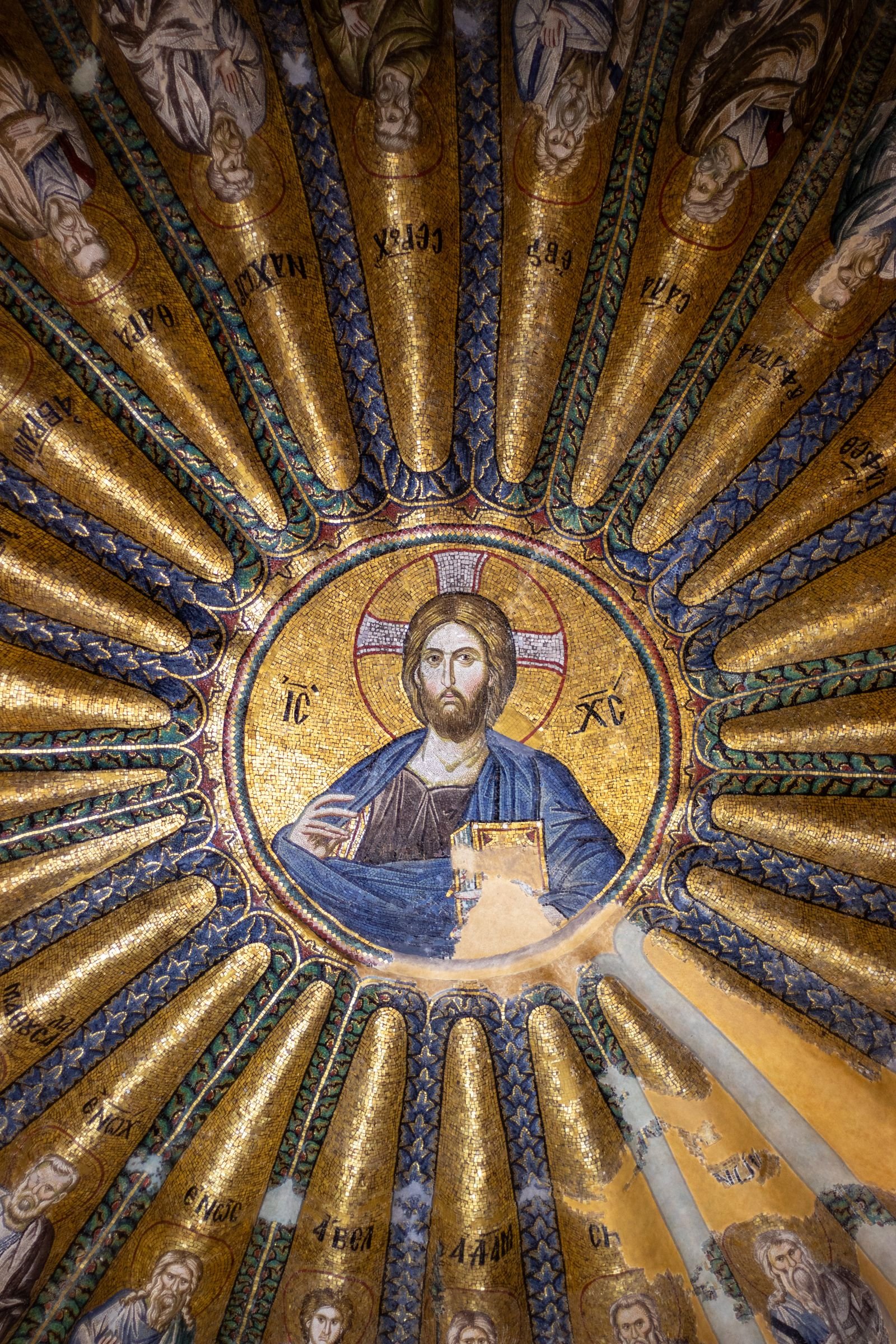
Chora Church (Kariye Mosque) in Edirnekapı holds some of the finest surviving Byzantine mosaics in the…
Read more →Dolmabahçe Palace is a 19th-century Ottoman palace on the Bosphorus in Beşiktaş, the last residence of…
Read more →
Comments