ATTRACTION
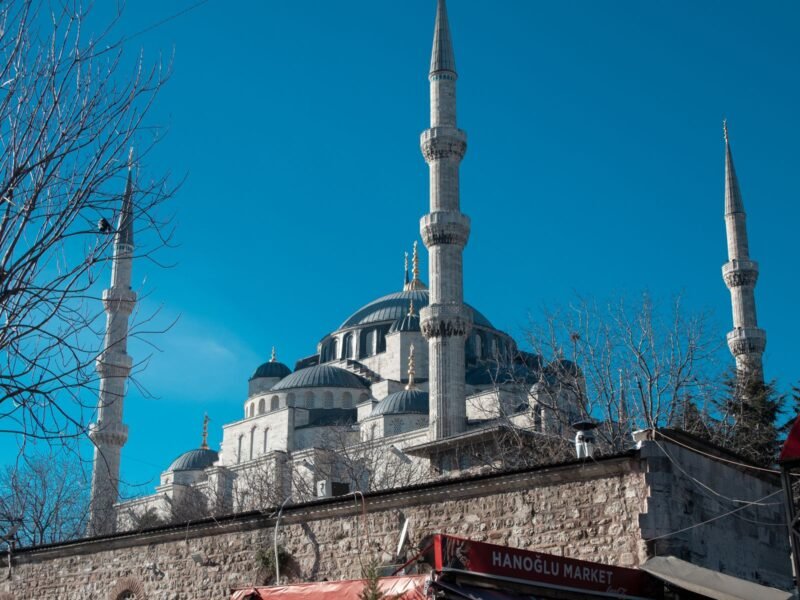
Süleymaniye Mosque
Süleymaniye Mosque is Mimar Sinan's 1557 Ottoman imperial mosque on a hilltop above the Golden Horn…
Read more →
Antalya piyazı is a regional white bean salad made with a tahini dressing, distinct from piyaz found elsewhere in Turkey.
White bean salad with tahini dressing
Antalya piyazı is a regional white bean salad specific to Antalya, distinct from the piyaz served elsewhere in Turkey for its use of tahini in the dressing alongside vinegar, garlic and herbs. It’s commonly eaten alongside şiş köfte as a defining local pairing.
While bean salads called piyaz exist across Turkey, Antalya’s version is regionally distinct for including tahini (sesame paste) in the dressing, alongside the more universal vinegar, garlic and olive oil, giving it a richer, nuttier flavor than piyaz found elsewhere. White beans, boiled and cooled, are tossed with the tahini dressing, chopped onion, parsley and often a hard-boiled egg on top. It functions as both a side dish and a light meal in its own right.
Local köfte restaurants across the city serve piyaz as the standard accompaniment to şiş köfte, a pairing specific enough to the region that ordering one without the other is unusual. Kaleiçi and the areas around local markets have the highest concentration of restaurants serving both together.
The piyaz-and-köfte combination is specifically associated with Antalya rather than Turkey generally, similar to how certain dish pairings become regionally definitive elsewhere — ordering one without the other at a local restaurant would be unusual.
Yes, in its base form — white beans, tahini dressing, onion and herbs — though it’s commonly topped with a hard-boiled egg, which vegetarians eating eggs won’t need to avoid.
Şiş köfte (grilled meatball skewers) is the standard pairing, common enough that many local restaurants serve the two as a set combination.
Süleymaniye Mosque is Mimar Sinan's 1557 Ottoman imperial mosque on a hilltop above the Golden Horn…
Read more →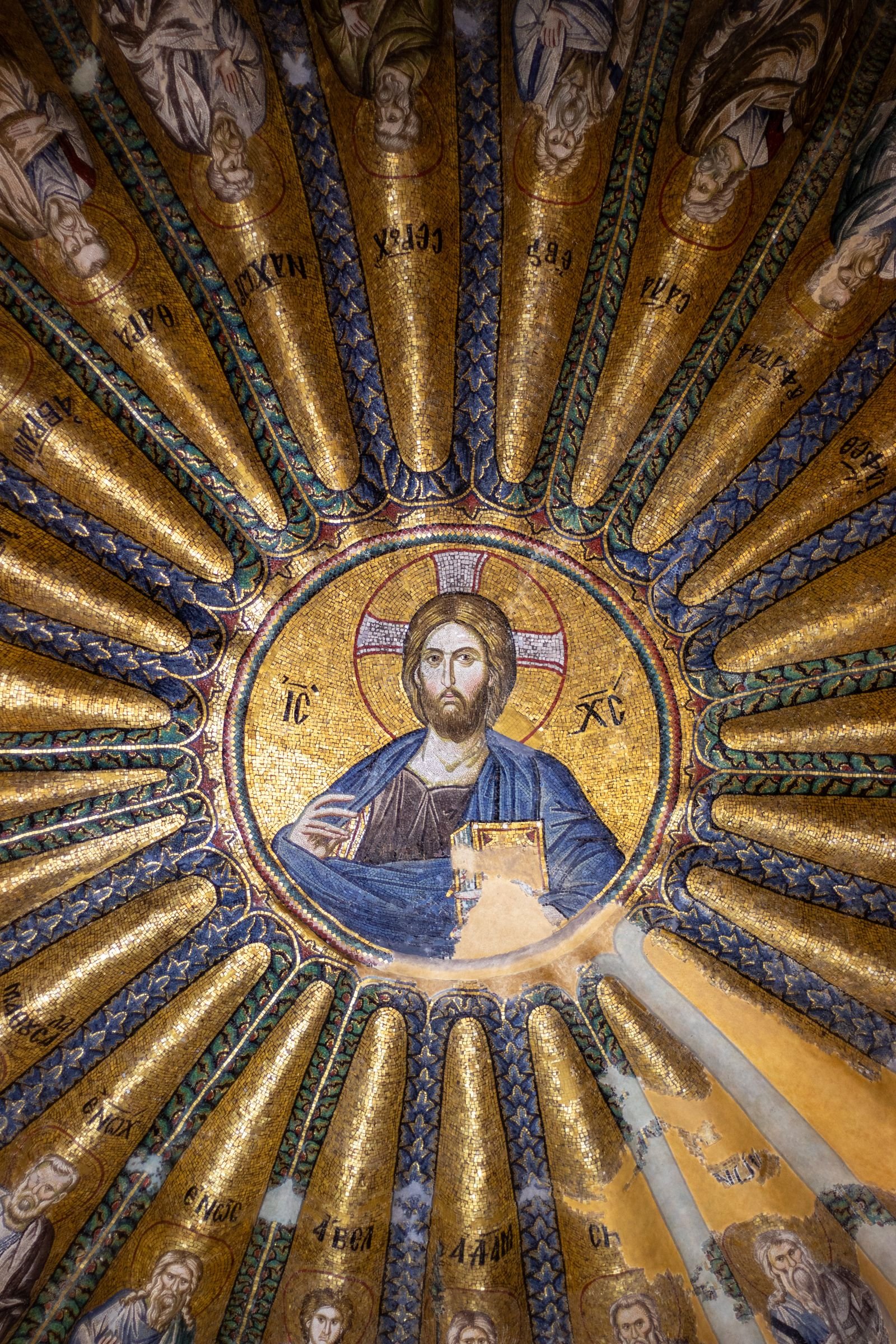
Chora Church (Kariye Mosque) in Edirnekapı holds some of the finest surviving Byzantine mosaics in the…
Read more →Dolmabahçe Palace is a 19th-century Ottoman palace on the Bosphorus in Beşiktaş, the last residence of…
Read more →
Comments