
ATTRACTION
Süleymaniye Mosque
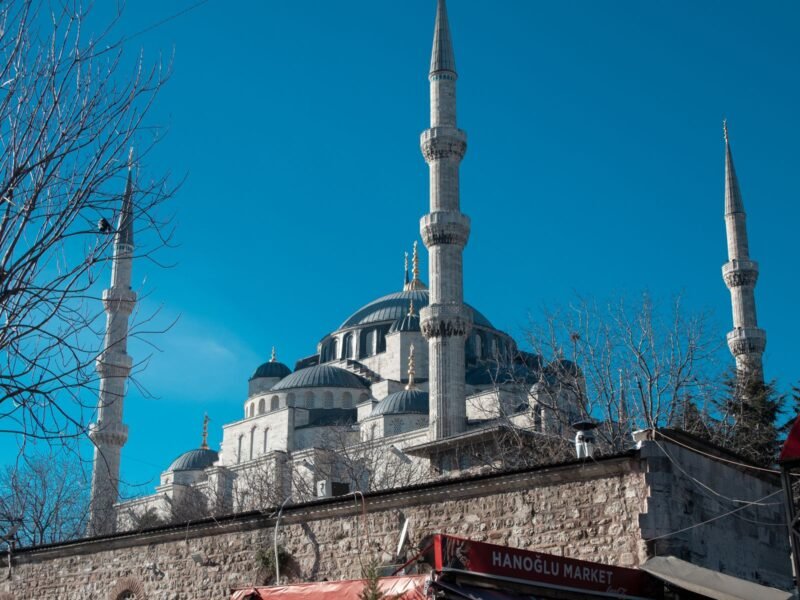
Süleymaniye Mosque is Mimar Sinan's 1557 Ottoman imperial mosque on a hilltop above the Golden Horn…
Read more →
Turkey / Istanbul / Traditional Hamam Experience
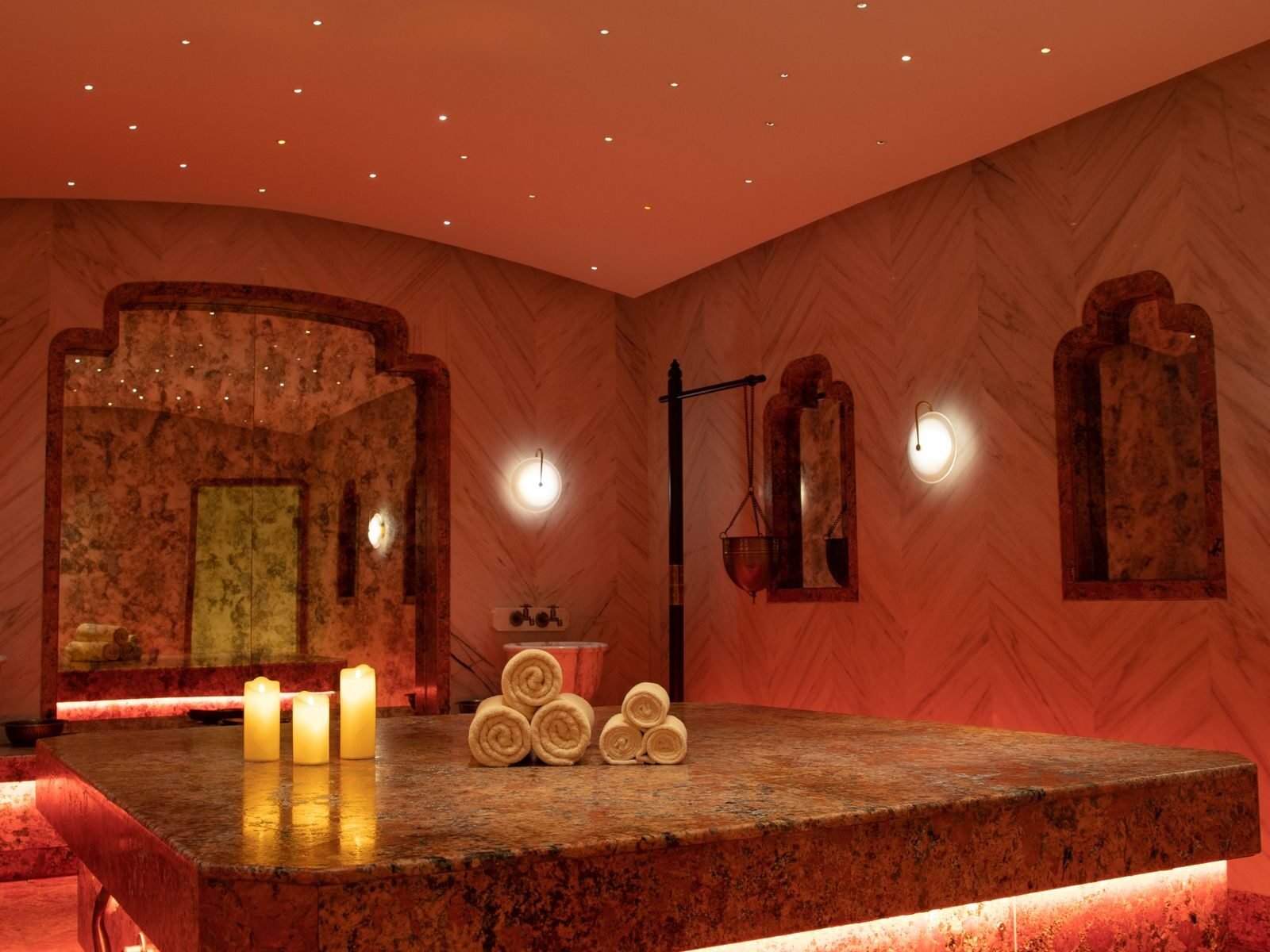
Turkish Hamam Istanbul — A traditional hamam visit is an Ottoman-era bathing ritual involving steam, a full-body exfoliating scrub, and a foam massage, offered at historic bathhouses across Istanbul including Çemberlitaş Hamamı (built 1584) and Kılıç Ali Paşa Hamamı. It’s one of the most distinctly Ottoman experiences available to visitors and works well as a relaxing half-day activity between sightseeing days.
For most first-time visitors, yes — historic hamams like Çemberlitaş (designed by the renowned Ottoman architect Sinan in 1584) or Kılıç Ali Paşa offer the ritual in genuinely centuries-old marble interiors, which is part of what you’re paying for alongside the treatment itself. The core package — steam room, a firm full-body scrub with a coarse mitt (kese), and a foam wash — typically runs 45–60 minutes and costs noticeably more than a neighborhood local hamam used mainly by residents, which offers the same basic ritual with less historic architecture and English-language service. If budget is the priority and the marble-domed setting isn’t essential to you, a local neighborhood hamam delivers the same core experience for less; if you want the full Ottoman-bathhouse atmosphere as part of the memory, the historic ones are worth the premium.
Source: Republic of Türkiye Ministry of Culture and Tourism.
A standard scrub-and-foam package at a historic hamam like Çemberlitaş runs approximately $60–90, while add-on oil massages cost extra. The full visit, including changing and relaxation time, typically takes 1–1.5 hours, with the core treatment itself around 45–60 minutes.
Çemberlitaş Hamamı sits on the T1 tram line at the Çemberlitaş stop, a 10-minute walk from Sultanahmet. Kılıç Ali Paşa Hamamı is in Karaköy, near the Tophane tram stop, convenient if you’re staying in Beyoğlu or Karaköy rather than the old city.
Yes, for most visitors — it’s a distinctly Ottoman experience offered in genuinely historic buildings, though budget travelers can get the same core ritual for less at a local neighborhood hamam instead of a tourist-oriented historic one.
No — traditional hamams separate genders, either in dedicated sections or by alternating time slots, so check the specific arrangement when booking.
Very little — a wrap (peştemal), towels and slippers are typically provided, though bringing your own flip-flops and a change of underwear is a reasonable precaution.
Prices and availability are handled by the ticket provider — we just point you there.
Süleymaniye Mosque is Mimar Sinan's 1557 Ottoman imperial mosque on a hilltop above the Golden Horn…
Read more →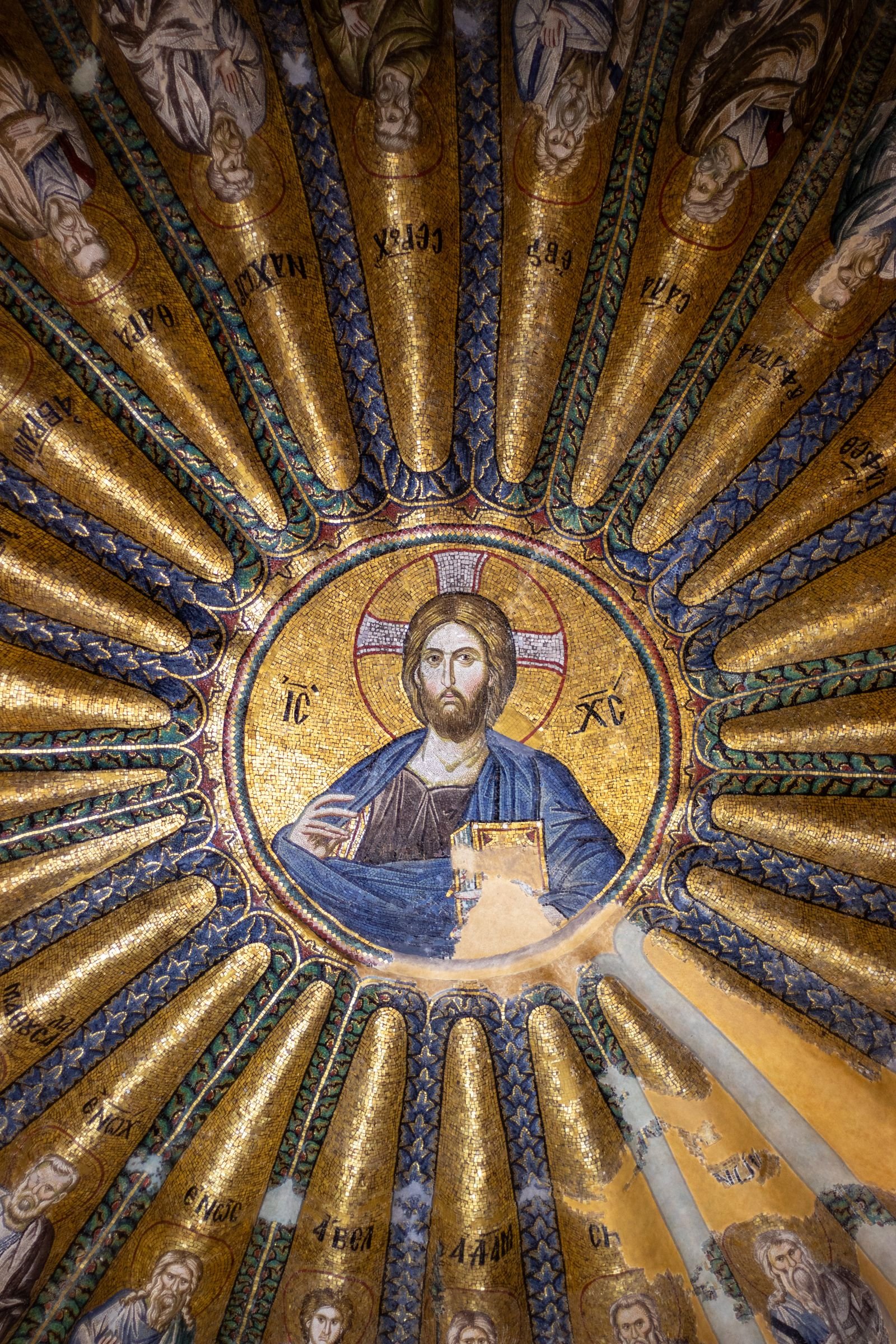
Chora Church (Kariye Mosque) in Edirnekapı holds some of the finest surviving Byzantine mosaics in the…
Read more →Dolmabahçe Palace is a 19th-century Ottoman palace on the Bosphorus in Beşiktaş, the last residence of…
Read more →
Comments