

ATTRACTION
Süleymaniye Mosque
Süleymaniye Mosque is Mimar Sinan's 1557 Ottoman imperial mosque on a hilltop above the Golden Horn…
Read more →
Turkey / Istanbul / Topkapi Palace

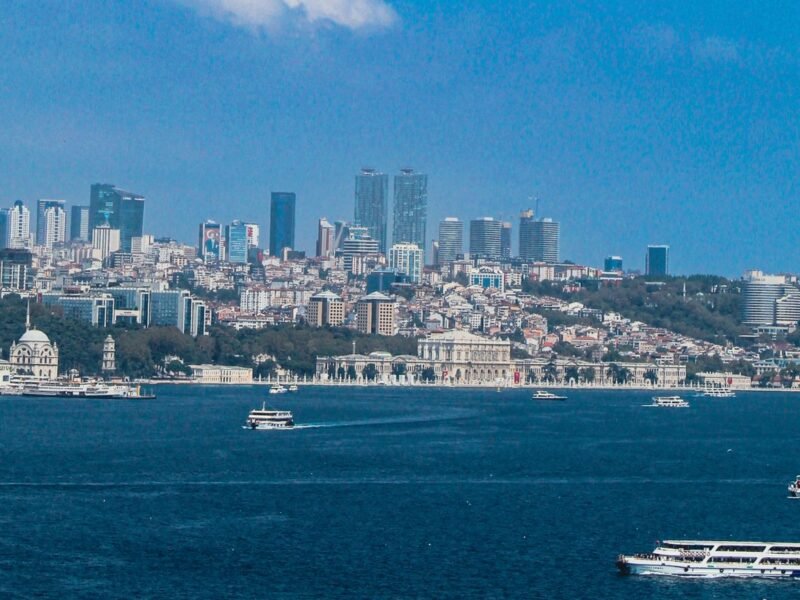
Topkapi Museum Istanbul — Topkapi Palace is the former primary residence of Ottoman sultans in Istanbul, built starting in 1459 and used as the seat of imperial power for roughly 400 years until the mid-19th century. Set on a promontory overlooking the Bosphorus, the Golden Horn and the Sea of Marmara, it now operates as a museum housing the Imperial Treasury, including the Topkapi Dagger and the Spoonmaker’s Diamond, alongside the separately-ticketed Harem quarters.
Topkapi was commissioned by Sultan Mehmed II shortly after the 1453 conquest of Constantinople and served as the administrative and residential heart of the Ottoman Empire for about four centuries, until Sultan Abdulmejid I moved the court to Dolmabahçe Palace in 1856. Rather than one building, it’s a complex of four courtyards, each historically more restricted than the last, moving from public ceremonial space toward the sultan’s private quarters. The Treasury holds the 86-carat Spoonmaker’s Diamond and the emerald-handled Topkapi Dagger, while the Sacred Relics room holds artifacts including what’s presented as the Prophet Muhammad’s cloak and sword. The Harem — the private family quarters, not included in the standard ticket — is where hundreds of the sultan’s family, wives and staff actually lived, and its tiled rooms are some of the finest surviving Ottoman interior decoration anywhere.
Source: Republic of Türkiye Ministry of Culture and Tourism.
Standard admission runs approximately $48, with the Harem as a separate add-on ticket at extra cost. The palace is open daily except Tuesdays, generally 09:00–18:00 in summer and 09:00–16:45 in winter, with the ticket office closing an hour before final closing. The Istanbul Museum Pass covers standard admission but not always the Harem — confirm current inclusions before relying on it.
Topkapi Palace sits at the tip of the Sultanahmet peninsula, beyond Hagia Sophia. Take the T1 tram to Gülhane or Sultanahmet stop, then it’s a 5–10 minute walk uphill through Gülhane Park to the palace’s main gate.
Construction began in 1459 under Sultan Mehmed II, six years after the Ottoman conquest of Constantinople, and the palace grew in phases over subsequent centuries as different sultans added courtyards and pavilions. It remained the seat of Ottoman government and the sultan’s residence until 1856, when Sultan Abdulmejid I relocated the court to the newly built, European-style Dolmabahçe Palace on the Bosphorus. Topkapi was converted into a museum in 1924 by order of the new Turkish Republic under Mustafa Kemal Atatürk, and its collections — including the imperial treasury and sacred relics — have been open to the public since.
Yes for most visitors — the Treasury’s Spoonmaker’s Diamond and Topkapi Dagger, plus the sheer scale of the former imperial residence, generally justify the cost, though budget-conscious visitors short on time might prioritize Hagia Sophia and the Blue Mosque first.
No — the Harem requires a separate ticket booked in addition to standard palace admission, and covers a different, timed entry slot.
Topkapi Palace is closed to visitors on Tuesdays; plan around this if it’s central to your Istanbul itinerary.
Budget at least 2–3 hours for the main palace and Treasury, and closer to half a day if you’re adding the Harem and want to see the Baghdad Kiosk terrace without rushing.
Prices and availability are handled by the ticket provider — we just point you there.
Süleymaniye Mosque is Mimar Sinan's 1557 Ottoman imperial mosque on a hilltop above the Golden Horn…
Read more →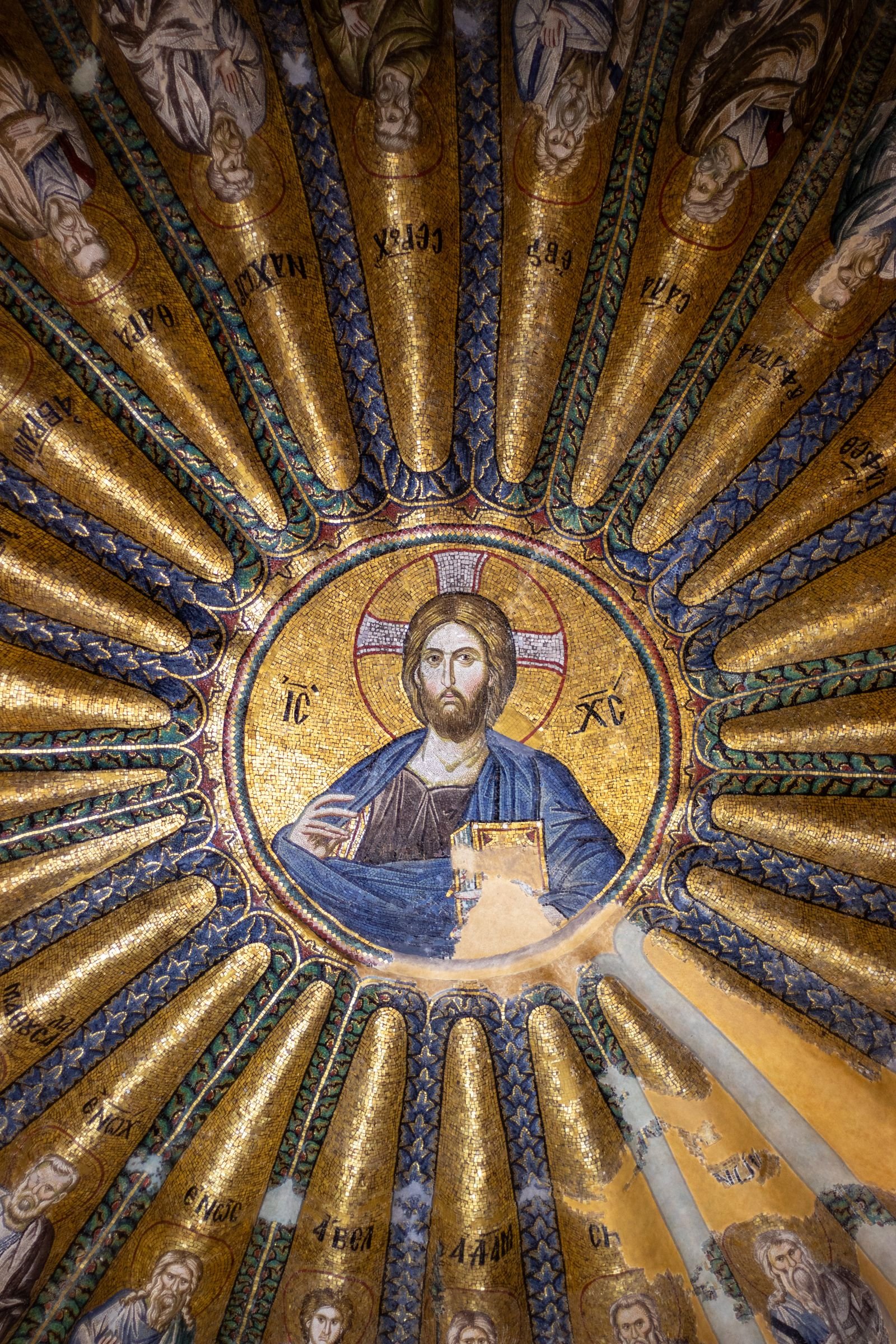
Chora Church (Kariye Mosque) in Edirnekapı holds some of the finest surviving Byzantine mosaics in the…
Read more →Dolmabahçe Palace is a 19th-century Ottoman palace on the Bosphorus in Beşiktaş, the last residence of…
Read more →
Comments