NOTE
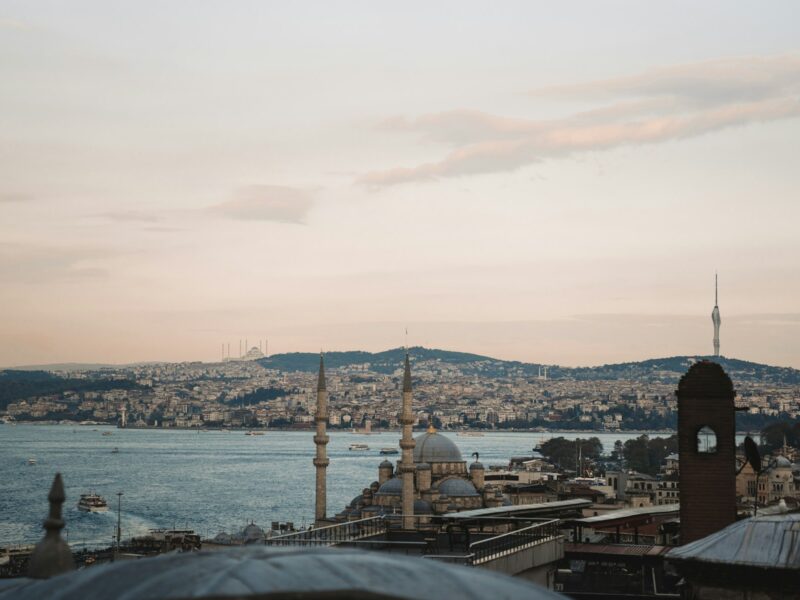
Blue Mosque
Why visit Blue Mosque? Built between 1609 and 1616 for Sultan Ahmed I, the…
Read more →
Turkey / Pamukkale / Travertine Terraces
The travertine terraces at Pamukkale are a hillside of white mineral basins formed by calcium-rich thermal water depositing limestone over thousands of years, giving the site its Turkish name — cotton castle.
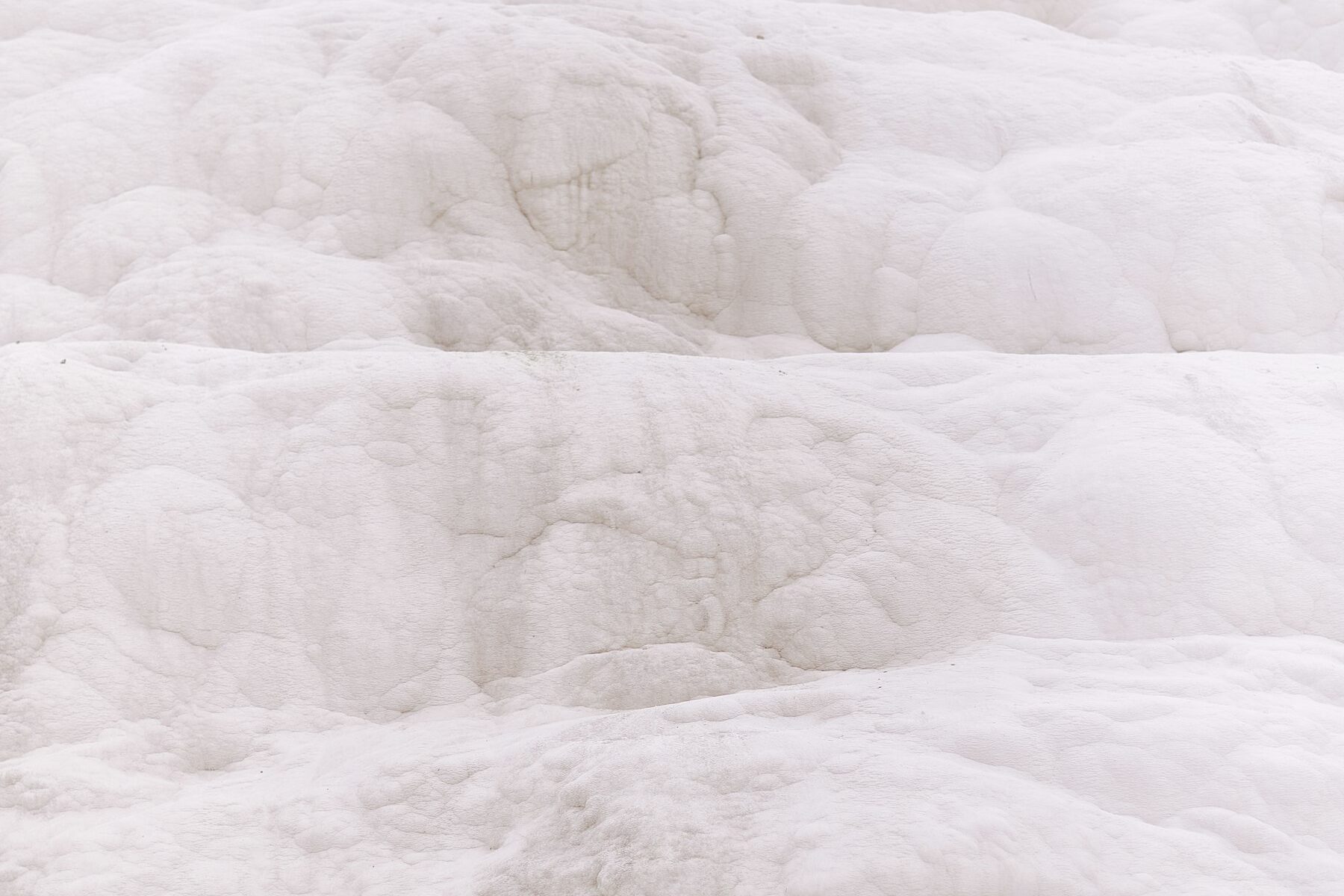
Seventeen hot springs feed water at temperatures between 35 and 100°C down a 160-metre slope. As it flows, dissolved calcium carbonate precipitates out and hardens, building the stepped basins that give the hillside its shape. The formation is still actively growing, which is why access is controlled and why you walk barefoot on a designated channel rather than across the terraces at will — earlier decades of unrestricted hotel construction and bathing damaged large sections, and the current rules exist to let them recover. Late afternoon is the reason most photographers come: the white surface takes on the colour of the sky, turning pink and gold as the sun drops.
A single ticket covers the terraces and the Hierapolis ruins, at roughly $30 for foreign visitors. Open 06:30–21:00 in summer, closing earlier in winter. Cleopatra’s Pool inside the site charges separately.
From Pamukkale village the South Gate is a fifteen-minute walk and puts you at the base of the terraces. Coming by car, the North Gate is closer to Hierapolis and lets you walk downhill through the site instead of up.
Yes — shoes must be removed on the terrace walkway to protect the mineral surface.
Only in the shallow designated pools along the walkway; deeper swimming is at Cleopatra’s Pool, which charges separately.
Late afternoon for the light, or right at opening to have the terraces almost empty.
Prices and availability are handled by the ticket provider — we just point you there.
Why visit Blue Mosque? Built between 1609 and 1616 for Sultan Ahmed I, the…
Read more → Why visit Topkapi Palace? Topkapi is less a single building than a small city…
Read more →
Why visit Göreme Open-Air Museum? This was a working monastic settlement from roughly the…
Read more →
Comments