NOTE
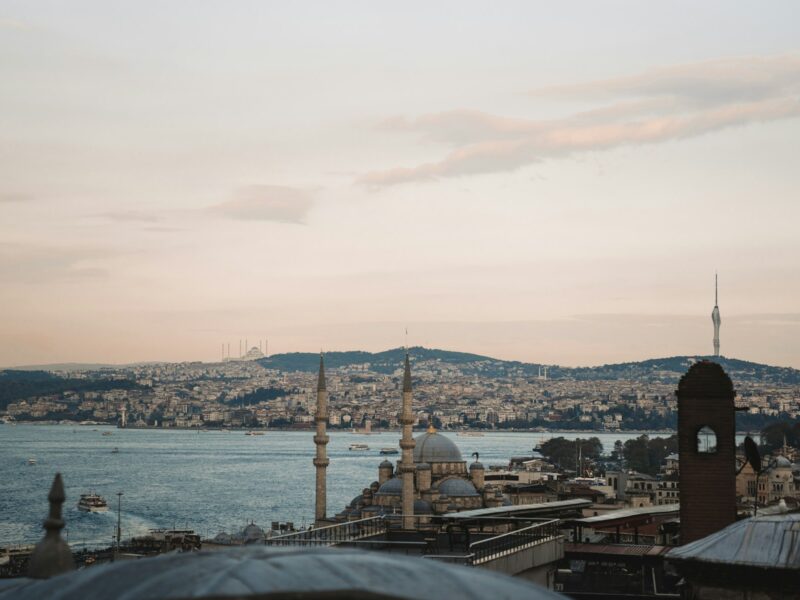
Blue Mosque
Why visit Blue Mosque? Built between 1609 and 1616 for Sultan Ahmed I, the…
Read more →
A plain-language look at the regions, the current advisories, and what they actually mean for your trip — not the alarmist headlines.

Yes — the overwhelming majority of Turkey, including Istanbul, the Aegean and Mediterranean coasts, and Cappadocia, carries no elevated travel advisory and sees tens of millions of visitors safely every year. The exceptions are specific provinces near the Syrian border, which sit far outside any typical tourist route.
Foreign-office advisories aren’t nationwide blanket warnings — they’re specific to provinces. Here’s how that breaks down for the places travellers actually go.
| Region | Advisory Status | What It Means for You |
|---|---|---|
| Istanbul, Aegean & Mediterranean coasts | No elevated advisory | Normal city precautions apply |
| Cappadocia & Central Anatolia | No elevated advisory | Very low crime, extremely tourist-friendly |
| Southeastern border provinces | Advise caution / avoid | Not on any typical tourist route anyway |
Note: Advisories are updated regularly. Always check your own country’s current foreign travel advice — not a blog post — before booking, especially close to departure.
The realistic risk in tourist areas is petty, not violent: inflated bazaar prices, unlicensed taxis running a broken meter, or a bar adding items to a bill. Agree on taxi fares upfront or use a ride-hailing app, and treat the first bazaar price as an opening offer, not a sticker price.
Istanbul and the main tourist regions are generally comfortable for solo and female travellers, including at night in well-populated areas. Standard city sense applies: stick to licensed transport after dark, keep an eye on drinks in nightlife areas, and dress with the same awareness you’d bring to any major European city.
Yes — Istanbul is a major, well-policed tourist city. Solo travellers, including women, visit comfortably every day with normal city precautions.
Specific provinces near the Syrian border carry travel advisories — they’re not part of any typical tourist itinerary in the first place.
Turkey sits in an active seismic zone; buildings in major tourist cities meet modern codes. It’s worth knowing basic earthquake safety, the same as visiting any seismically active country.
Why visit Blue Mosque? Built between 1609 and 1616 for Sultan Ahmed I, the…
Read more → Why visit Topkapi Palace? Topkapi is less a single building than a small city…
Read more →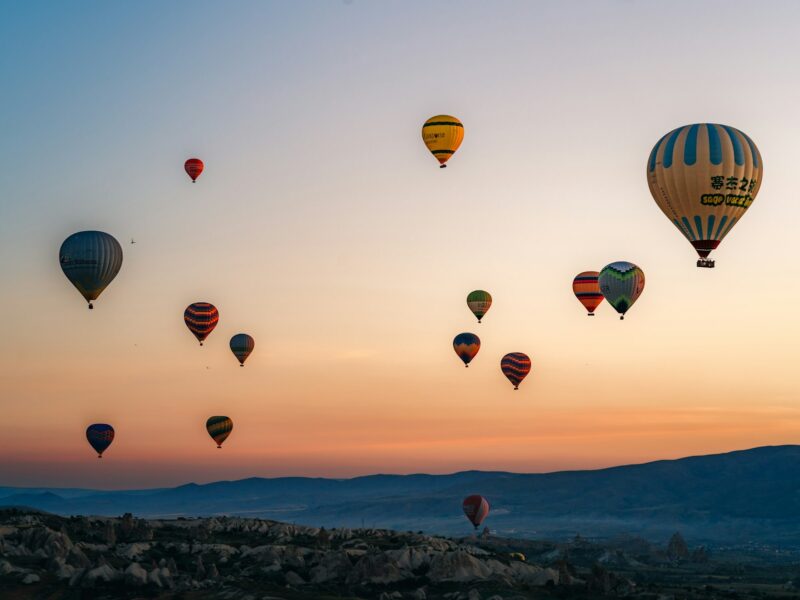
Why visit Göreme Open-Air Museum? This was a working monastic settlement from roughly the…
Read more →
Comments