ATTRACTION
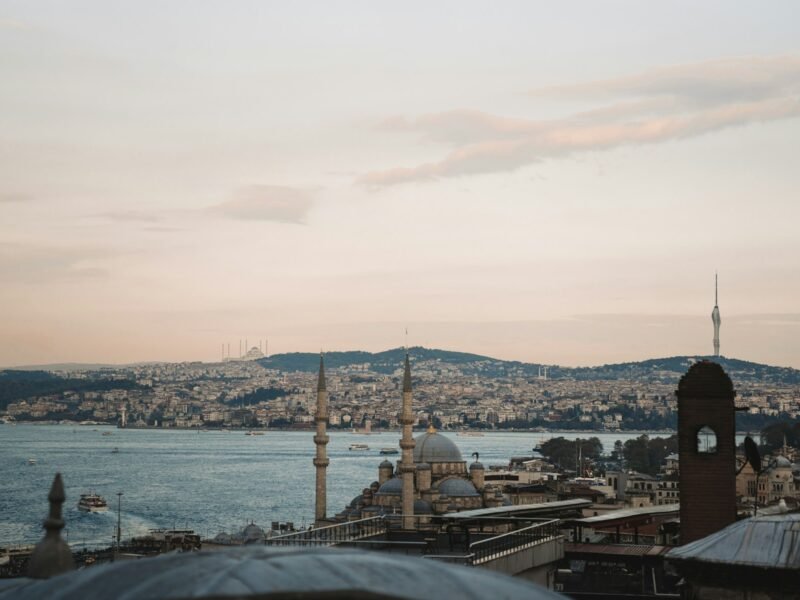
Blue Mosque
The Blue Mosque, officially the Sultan Ahmed Mosque, is a working seventeenth-century mosque in Istanbul known…
Read more →
Destinations / Ankara
Ankara is Turkey’s capital and second-largest city, sitting on the high plateau of Central Anatolia — a working government town that turns out to hold 3,000 years of layered history, from a Phrygian hilltop to Roman baths to the mausoleum of the Republic’s founder.
| Hotel | Room Type | From (USD) | Book |
|---|---|---|---|
| Dab Hotel Ulus | Standard Double Room | ~$30 | #affiliate-booking |
| Asal Hotel | Standard Room | ~$32 | #affiliate-booking |
| Ibis Ankara Airport Hotel* | Standard Room | ~$35 | #affiliate-booking |
| Hotel | Room Type | From (USD) | Book |
|---|---|---|---|
| Mercure Ankara Kızılay | Superior Room | ~$70 | #affiliate-booking |
| Hilton Garden Inn Ankara Çankaya | Guest Room | ~$85 | #affiliate-booking |
| Koza Suite Hotel | Deluxe Room | ~$75 | #affiliate-booking |
| Hotel | Room Type | From (USD) | Book |
|---|---|---|---|
| Divan Ankara | Deluxe King Room | ~$140 | #affiliate-booking |
| JW Marriott Hotel Ankara | Executive Room | ~$150 | #affiliate-booking |
| Sheraton Ankara Hotel & Convention Center | Club Room | ~$130 | #affiliate-booking |
Ankara divides cleanly into old and new. Ulus, the historic core north of the center, is where the city’s Roman and Ottoman layers sit stacked on top of each other — Ankara Castle looks down over the Temple of Augustus, the Column of Julian, and the restored Ottoman houses of , all within a 15-minute walk of each other. Samanpazarı, just below the castle, is the antiques quarter.
South of Ulus, Kızılay is the functional center: metro interchange, shopping streets, the university crowd, and the highest concentration of casual restaurants. It isn’t a sightseeing destination in itself, but nearly every metro or bus route in the city passes through it.
Further south, Çankaya is where the money is — government buildings, foreign embassies, and Ankara’s priciest hotels, along with on its own hilltop. Kavaklıdere and Tunalı Hilmi Street, technically part of Çankaya, are the closest thing Ankara has to a trendy nightlife strip.
Outside the city proper, three places pull day-trippers into Ankara Province: Beypazarı (Ottoman houses and silver craft, about 100km northwest), Gordion (a UNESCO World Heritage archaeological site, about 90km southwest), and Gölbaşı, home to Lake Mogan, about 20km south.
| Season | Months | Daytime Temp | What to Expect |
|---|---|---|---|
| Spring | April–June | 12–24°C (54–75°F) | The best weather of the year; some rain in April and May |
| Summer | July–August | 27–31°C (81–88°F) | Hot, dry, and sunny; evenings cool off noticeably |
| Autumn | September–October | 15–25°C (59–77°F) | The second good window; dry and clear |
| Winter | November–March | -3–8°C (27–46°F) | Cold, with occasional snow; January is the coldest, darkest month |
For a short stay in Ankara, an eSIM is the simplest option — no queuing at a kiosk on arrival, and it’s active before you land. Airalo’s Turkey and regional eSIM plans cover Ankara’s networks at data-only rates that undercut a physical tourist SIM in most cases; install it before you fly, since you’ll need wifi to activate it. If your phone doesn’t support eSIM, a physical SIM from Turkcell or Vodafone is available at Esenboğa Airport arrivals, though it costs more than an equivalent eSIM plan and requires your passport to register.
Ankara is served by Esenboğa Airport (ESB), about 28km north of the city center — there’s no direct rail or metro link yet, so onward travel means a bus or taxi.
The Havaş shuttle runs from arrivals to AŞTİ (Ankara’s intercity bus terminal), with stops at Ankamall and Pursaklar; the ride takes 50–55 minutes and costs roughly $5. From AŞTİ, the Ankaray metro line reaches Kızılay in about 15 minutes.
The EGO 442 public bus is cheaper — about $3 — and runs directly to Kızılay in around an hour, but it requires an AnkaraKart transit card, sold from machines in the arrivals hall (cash isn’t accepted on board).
A taxi to Kızılay takes about 30 minutes and runs roughly $25 by the meter. Domestic flights and intercity trains also arrive at Ankara’s main station (Ankara Gar) in Ulus, an easy walk or short ride from the historic core.
Ankara’s metro system has five lines, run by EGO: the Ankaray (A1) crosses the center from AŞTİ through Kızılay; M1–M3 run from Kızılay out to Batıkent and Sincan; M2 heads to Çayyolu; M4 connects AKM to Keçiören. Trains are frequent and air-conditioned, and the fastest way to cover distance in a city that’s more spread out than it looks on a map.
Everything runs on the AnkaraKart, a reloadable transit card that also covers city buses and dolmuş minibuses — buy one from a metro station kiosk or vending machine on arrival, since single-use tickets aren’t sold for every line.
The historic core (Ulus, the Castle, Hamamönü) is walkable once you’re there, and Kızılay to Ulus is a straightforward one-stop metro ride. Çankaya and Kavaklıdere are close enough to Kızılay to walk in good weather, or a short taxi ride otherwise.
– Turkey’s capital since 13 October 1923, replacing Istanbul (then Constantinople)
– Population 5,910,320 (TÜİK, ADNKS 2025) — Turkey’s second-most populous province after Istanbul
– Sits at roughly 850m elevation on the Central Anatolian plateau, noticeably higher and drier than coastal Turkey
Ankara’s layers run deeper than its modern role suggests: Hittite and Phrygian settlement, a Galatian hilltop fort, a Roman provincial capital under Augustus, then Byzantine, Seljuk, and Ottoman control before Mustafa Kemal Atatürk made it the seat of the new Turkish Republic in 1923, over the objections of those who assumed Istanbul would keep the role. “Ankara: The Planning and Building of a Republican Modern Capital City” — added to Turkey’s UNESCO Tentative List in April 2025 — is built entirely around what happened next: the deliberate design of a 20th-century capital out of what was, at the time, a modest Anatolian town.
Yes, for a different reason. Istanbul is about empire and crossroads; Ankara is about the Republic itself — , the , and the Republican-era government quarter aren’t duplicated anywhere else in Turkey. It isn’t a substitute for Istanbul, and it doesn’t try to be.
Two full days cover the core sights comfortably — Anıtkabir and the Museum of Anatolian Civilizations on one day, the Castle, Roman ruins, and Hamamönü on the other. Add a third day for a Beypazarı or Gordion day trip.
Ankara is a large capital city and carries the same everyday precautions as any — keep an eye on belongings on the metro and around Kızılay and AŞTİ, and use registered taxis or ride-hailing apps rather than street hails late at night. See for country-wide guidance.
No — the metro and AnkaraKart cover the city core well. A car, or a driver, only really helps for Beypazarı or Gordion, and both are also reachable by public bus from AŞTİ.
The Blue Mosque, officially the Sultan Ahmed Mosque, is a working seventeenth-century mosque in Istanbul known…
Read more → Topkapi Palace is the walled palace complex above the Golden Horn that served as the administrative…
Read more →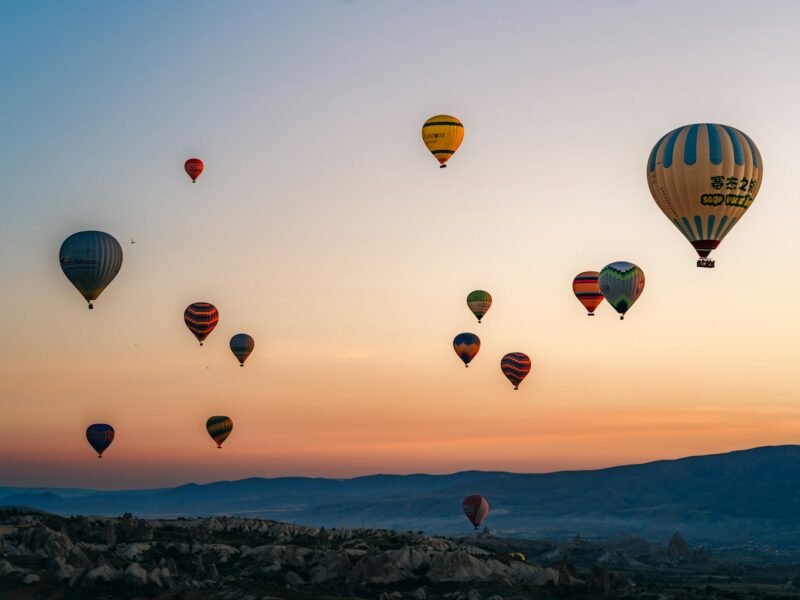
The Göreme Open-Air Museum is a UNESCO-listed cluster of rock-cut churches and monastic buildings carved into…
Read more →